
Getting Your Sidel Matrix Heat Just Right
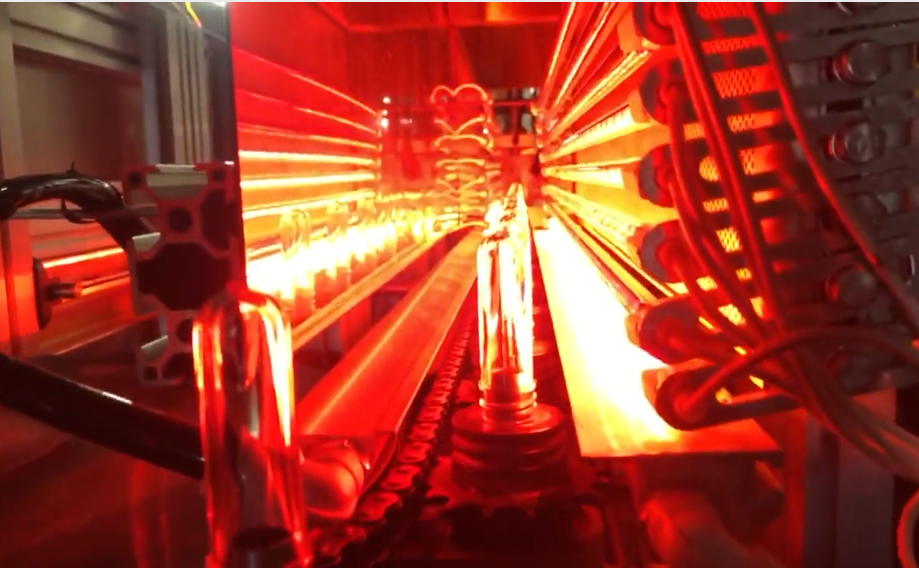
Here is the problem with swapping out OEM lamps in a Sidel Matrix: if the heating curve shifts even a tiny bit, you’re in trouble. A slight tweak in wattage or spectral output sounds minor, but it leads to real headaches. You end up with uneven heating, weird wall-thickness variations, or that annoying pearlescence in your PET bottles. It’s frustrating. That’s why we built our replacement lamps to be a mirror image of the originals. We wanted to make sure the temperature ramp-up feels exactly the same as the day the machine left the factory. It’s more than just the length. We spent a lot of time dialing in the voltage and wattage because heat density is everything. If a lamp is off by even a little, you’re either under-heating the preform or risking a burnout. Since we matched the original electrical footprint, these just work with your current power controllers. You don’t have to spend your afternoon recalibrating heating zones. You just put them in and get back to work. The nitty-gritty stuff We use high-purity quartz glass and a specific halogen fill. Why? Because PET needs a very specific short-wave infrared frequency to behave. We also added a coating that pushes the energy inward toward the preform. It stops the heat from wasting away on the oven walls. Depending on your Matrix model, we use R7s or Sk15 connectors. They are true drop-in replacements. They slide into the sockets, you wire them up, and you’re done. A quick heads-up on the trade-offs High-wattage IR lamps are great for keeping your cycle times low, but they put a lot of stress on your system. This is where things get tricky. If your cooling fans are clogged with dust and grime, any high-output lamp—ours or the OEM ones—is going to run way too hot. That’s a shortcut to a premature failure. Do yourself a favor: check your airflow before you pop the new tubes in. It takes five minutes and saves you a lot of money in the long run.