
Fixing the Heat Headache in Your PET Blowing Lines
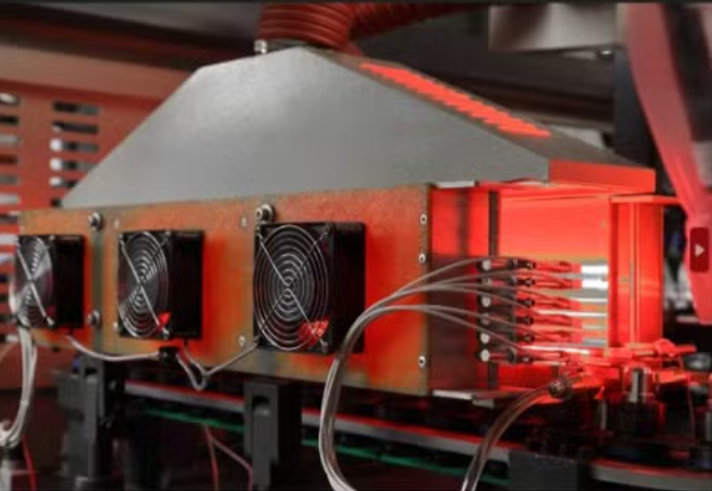
If you’re running KHS or SACMI lines, you know the frustration of uneven heating. One minute everything is fine, and the next, you’re staring at bottles with wonky wall thickness or weird deformations. Usually, you’re stuck between two bad options. You either pay a fortune for OEM replacements or buy cheap generic tubes that burn out before you can even get them settled in. We decided to build a middle ground: a quartz lamp that actually fits the thermal footprint of your machines without breaking the bank. The science (without the textbook) Here’s the thing about heat: it’s all about the wattage-per-centimeter. If the lamp isn’t tuned perfectly to the length of the tube, you get those annoying “hot spots” in the middle while the ends stay cold. We use a specific halogen cycle to keep the tungsten filament exactly where it belongs—centered. When a filament sags, your infrared emission goes all over the place. By keeping it straight, the heat stays consistent. Plus, we’re picky about the quartz purity. We want the shortwave IR to sink deep into the PET preform. If it just hits the surface, you’re not actually heating the plastic; you’re just scorching the outside. Getting them installed These aren’t “almost” fits. They’re designed to be drop-in replacements. Whether you use R7s or Sk15 connectors, they wire up just like the originals. No hacking at the lamp holder, no “making it work.” It just fits. One word of warning, though:use gloves. The quartz is high-grade, but it’s sensitive. If you leave a fingerprint or a bit of skin oil on the glass, it creates a tiny hot spot. That spot eventually turns into a crack, and then you’re replacing the lamp all over again. It’s a trade-off—the glass is incredibly clear, but it’s fragile. What happens in the real world Once you swap these in, you’ll notice the heat distribution across the preform just… levels out. Your bottles come out with a consistent wall thickness, which means fewer rejects and less stress. Just a heads-up: if you crank up the heat density to kill off those cold spots, your oven’s ventilation has to work harder. Make sure your blow-off air is tuned to the new heat output. You don’t want to accidentally overheat the neck finish while you’re fixing the body.