
Stop Fighting With Your Blow Molding Lamps
If you’ve ever tried to replace heating lamps in a PET blow molding machine, you know the drill. You spend half your day worrying if the footprint is actually going to fit or if the voltage is going to clash with your current setup. It’s a headache you just don’t need. That’s why we built our infrared replacement lamps to just… work. We stripped away the brand barriers. Whether you’re running SIPA machines or something else, these fit over 95% of the equipment out there. No more guessing games.
Getting the Heat Right
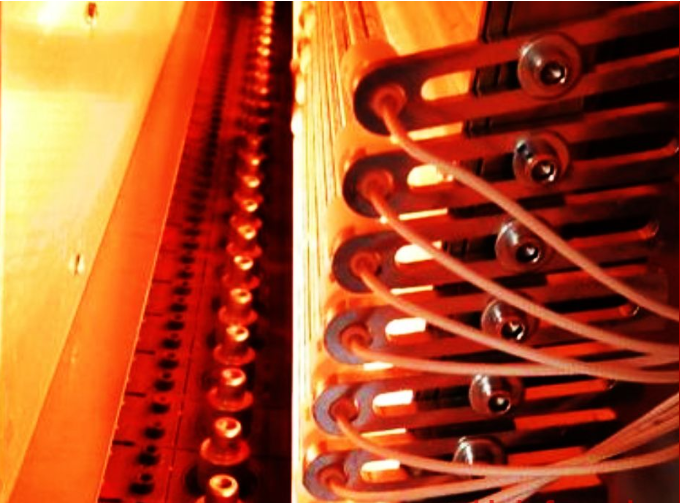
Here is the thing about PET preforms: you need them hot, but you can’t melt the neck. It’s a delicate balance. To nail that, we use high-wattage halogen filaments wrapped in quartz glass. By using a 400V setup, we can cram more power into a smaller space. That means your ramp-up times are faster, and your production keeps moving. But a quick word of advice: this much power in a tight oven gets hot. Fast.**Check your cooling fans.**If they’re clogged with dust, these lamps will burn out way sooner than they should. Keep the air moving, and the lamps stay happy.
Built to Just Fit
We didn’t want you spending hours on a “workaround.” We focused on the mechanical side so these are true drop-in replacements. Most of our tubes use R7s or SK15 connectors. They’re the industry standard for a reason—they can handle the quartz tube expanding and contracting as it heats up without losing the electrical connection. Plus, if you’re dealing with weird preform wall thicknesses, we’ve got coated options to help you hit the right spot.
Real-World Use
You don’t need to rip open your control cabinet or rewire everything just to switch brands. Our lamps match the original OEM voltage and length exactly. And since we keep these in stock, you aren’t stuck waiting weeks for a factory-direct shipment while your machine sits idle. One last tip for when you’re installing them:**make sure those contacts are tight.**A loose connection creates arcs, and arcs destroy end caps. We built these to survive the grind of 24/7 production, but they still need a stable electrical feed to do their job.