Getting Your Sidel IR Lamps Right (Without the Headache)
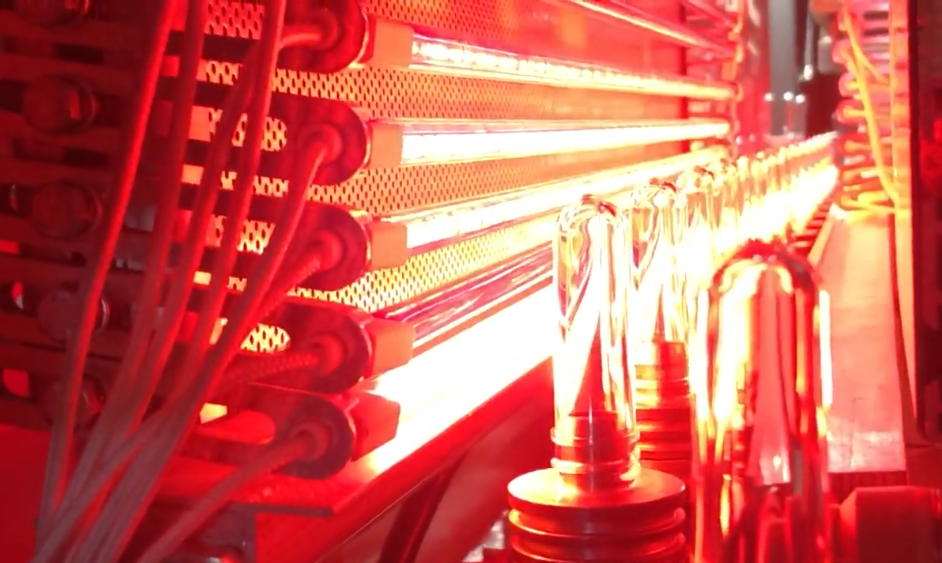
If you’ve ever swapped out IR lamps in a PET blowing machine, you know the drill. It’s all about tight tolerances and electrical loads that don’t leave much room for error. We built our lamp range specifically for Sidel systems—everything from the old-school SBOs to the newer Matrix series—so you can just put them in and get back to work. No hacking the machine, no “making it fit.” The problem with “cheap” lamps Here is the thing: a lamp that’s off by just a few millimeters is a disaster waiting to happen. When a tube doesn’t sit perfectly, it rattles or puts weird stress on the quartz. That’s how you get premature burnouts. We make our tubes to match the Sidel footprint exactly. They seat firmly in the reflector. Why does that matter? Because if the lamp isn’t flush, you get hotspots. And hotspots mean uneven heating, which means your preforms aren’t coming out right. Heat, power, and the real world It really comes down to the filament. We spec ours to handle the specific voltage and wattage curves that Matrix ovens throw at them. High-wattage tubes are great for fast cycle times—they give you that heat density you need—but they push your power supplies hard. Just a heads-up: keep your cooling blowers clean. If the oven is choked with dust, the ambient heat will kill your lamps early, no matter how high the quality is. Swapping them out We use standard connectors. No weird adapters, no custom wiring. You just pull the old tube, pop the new one in, and hit start. We also obsess over the purity of the quartz. It sounds like a small detail, but it stops the energy from bouncing off the surface of the PET. Instead, the heat actually penetrates the wall, which is exactly what you want.