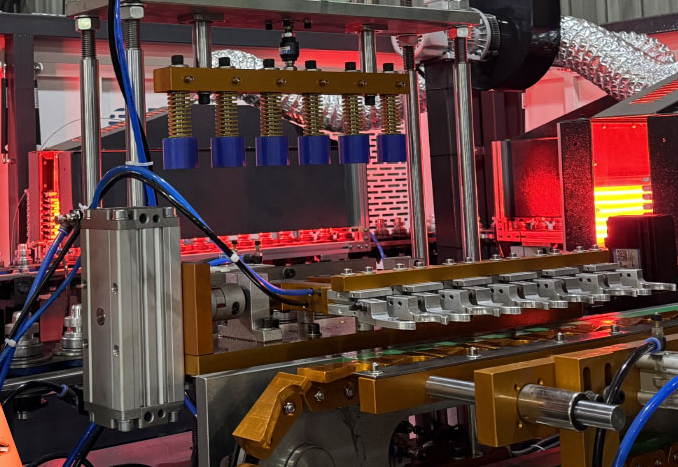
Stop the Constant Lamp Burnouts on Your SIG Blomax Line
If you’re spending way too much time swapping out burnt-out tubes on your SIG Blomax line, you know how frustrating it is. It’s a headache. Most of the time, it comes down to two things: mechanical stress and thermal shock. Standard lamps just aren’t built for the chaos of a high-speed PET environment. Between the constant vibration and the rapid heat cycling, they just give up. That’s why we built reinforced replacements. They’re designed to step in exactly where the OEM parts keep failing. What’s actually happening inside the tube? Usually, these lamps snap at the pinch seal or right where the electrode hits. To fix that, we used a heavy-wall quartz construction. It makes the glass physically tougher, so the tube doesn’t just crack when the machine starts shaking. We also tweaked the halogen cycle inside. This keeps the tungsten filament right where it belongs—dead center. When that filament starts drifting toward the wall, that’s when you get those premature burnouts. We stopped the drift. A quick word on heat and reflectors To get PET heating fast enough for short cycle times, you need high wattage. That’s a lot of heat density. But here is the catch: your reflectors have to be spotless. If they’re dirty or dull, the heat bounces straight back into the lamp. This spikes the internal pressure and blows the seal. Our lamps are built to handle the heat, even when the oven ambient temperature starts climbing, but they still need a clean mirror to work their magic. Getting them installed The good news? These are direct replacements. They use standard connectors, so you can just plug them into your existing wiring. No rewiring the rack, no fancy modifications. Just swap and go. One thing to watch out for, though. Because the quartz is reinforced, it’s a bit more rigid. It’s great for stopping vibration, but it means you can’t be sloppy with the installation. If you try to force a tube into a socket that’s slightly off, you’ll create a stress point.**Do yourself a favor: align your rails first.**Once everything is straight, slide the lamps in. It’ll save you a lot of trouble down the road.