
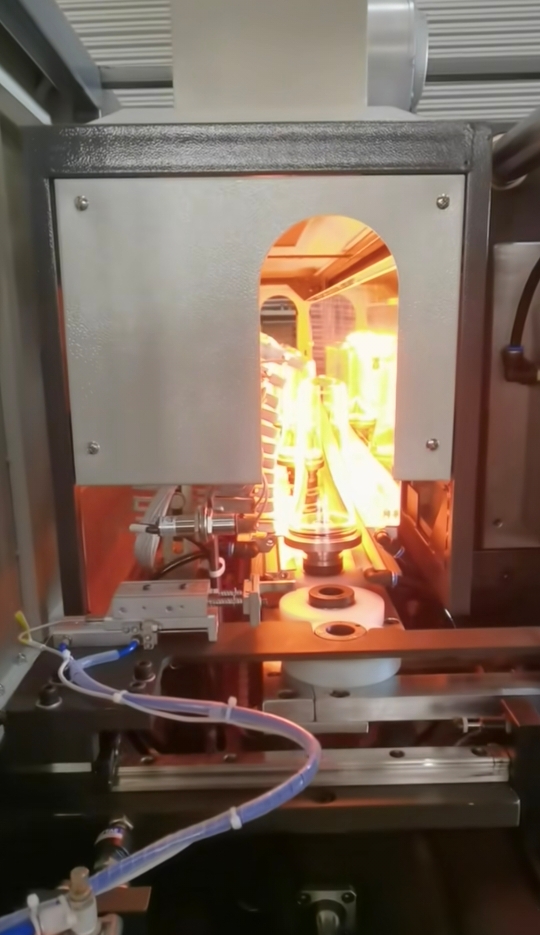
On the blow molding floor, inconsistent preform heating doesn’t hide. It shows up as flash, thin walls, or bottles that just don’t hold shape. When the heating tunnel misses, you pay for it in lost cycles, scrap, and downtime. We built our halogen quartz lamps to live in that reality—designed to deliver repeatable infrared output on PET preforms, shift after shift. What matters under the hood Inside the quartz tube, short-wave halogen emitters deliver fast, focused infrared energy that gets into PET quickly without scorching the surface. The geometry is tuned for the neck and the body, so you get the right spot size and power density where you need it. The specs line up with common blow molder layouts: 240–480 V, 200–800 W per lamp, standard R7s connectors, and compact lengths that drop straight into existing reflector assemblies. The point is output stability—consistent spectral response means repeatable heating profiles, so you can set a point and run with less drift. Why this lands on the line In stretch blow molding, cycle time is won or lost in the heating tunnel. These lamps hit target temperature fast, so you can match oven length to line speed without throwing the whole process out of balance. That translates into more bottles per hour at stable quality, fewer rejects from uneven stretch, and less time chasing temperature swings. Energy use comes down because the energy goes where it matters—straight onto the preform—and because the lamps warm up quickly and hold output without long warm-up windows. What you need to keep straight Installation is straightforward, but alignment is not optional. Focus and distance have to match the preform path; if they don’t, you’ll see hot spots and thin walls. These lamps run hot, so airflow and keeping reflectors clean have to be part of the maintenance plan. They fit most blow molding platforms, but confirm mounting, connector type, and power rating against your specific machine. Expect shorter life at higher power density—plan replacements around your preventive schedule, not after a failure.