
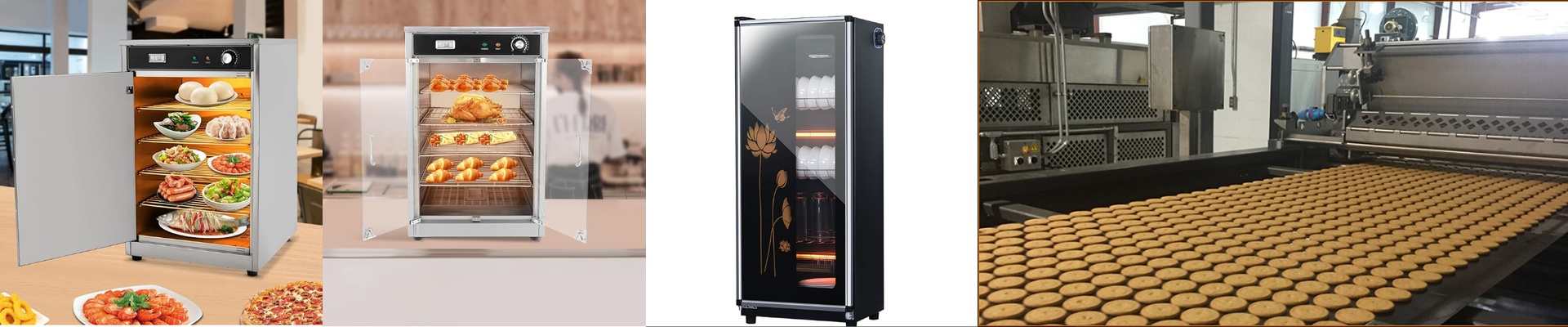
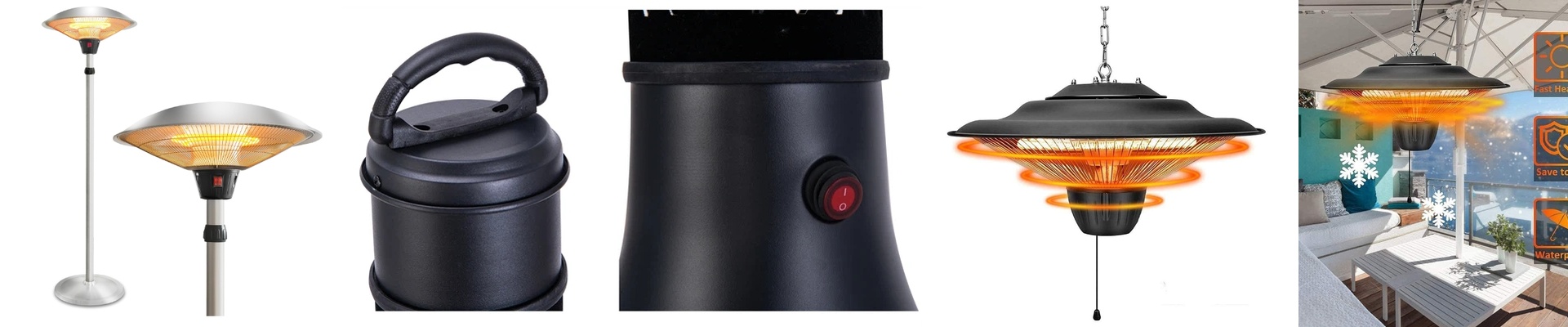
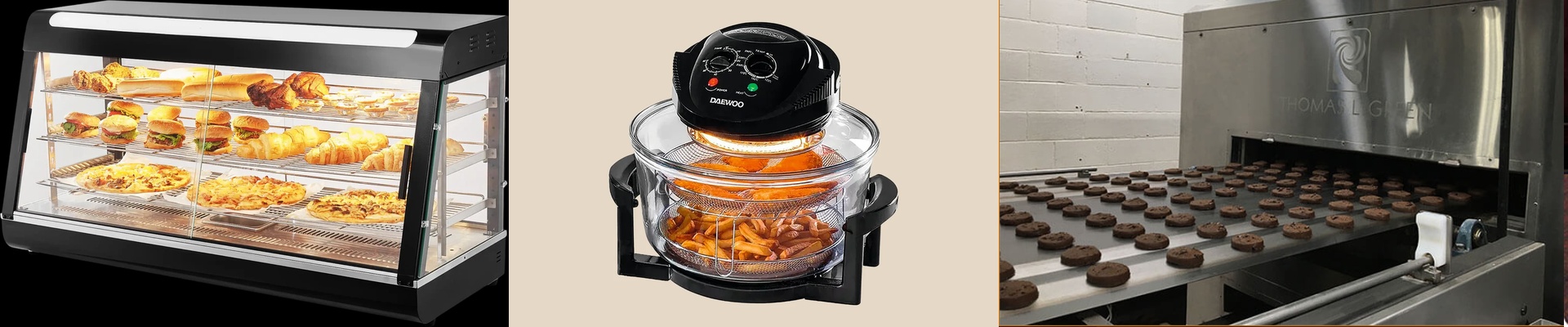
Why Rapid-Heating Quartz Tubes Actually Work for Disinfection
When you’re building a disinfection cabinet, you’re fighting a clock. You need to blast pathogens with heat fast enough to kill them, but not so slow that you end up baking the very thing you’re trying to clean. That’s where high-purity quartz tubes come in. The magic here is that quartz lets short-wave infrared (NIR) radiation slide right through without soaking it up. Instead of wasting time heating up the air inside the box, the heat hits your target almost instantly. The secret to that speed If your heat source is sluggish, you get “bake-off” failures or weird, uneven spots where things just aren’t sterile. It’s frustrating. But when you pair a tungsten filament inside a quartz tube with a solid PID controller, the response is nearly instant. The tube has very low thermal mass. It doesn’t hold onto the heat like a brick; it just delivers it and lets go. No more wild temperature swings ruining your materials. Dealing with the stress We use fused quartz because it’s incredibly tough when things get hot. You can jump from room temperature to 600°C and the glass won’t just shatter in your face. If you’re picking these for a commercial build, keep an eye on the wall thickness. Here’s the trade-off: thinner walls move heat faster, but they’re more fragile. If your cabinet is going to be bumped around or vibrate during use, you might want a bit more heft. Power, heat, and the “burn out” problem High-wattage tubes pack a punch. They’re fast, sure, but they put a lot of pressure on your power supply. Plus, if you cram too many watts into a small space, the outer shell of your cabinet will start soaking up that heat. You’ll need to be smart about your cooling fans and insulation, or your safety cutouts will keep tripping. And look, the tube is only half the battle. The real precision comes from the loop. I always suggest putting a K-type thermocouple as close to the heating element as possible. When you do that, you can keep your temperature within ±1°C. It’s the only way to avoid that dreaded “burn out” you see in those cheap, unregulated systems.