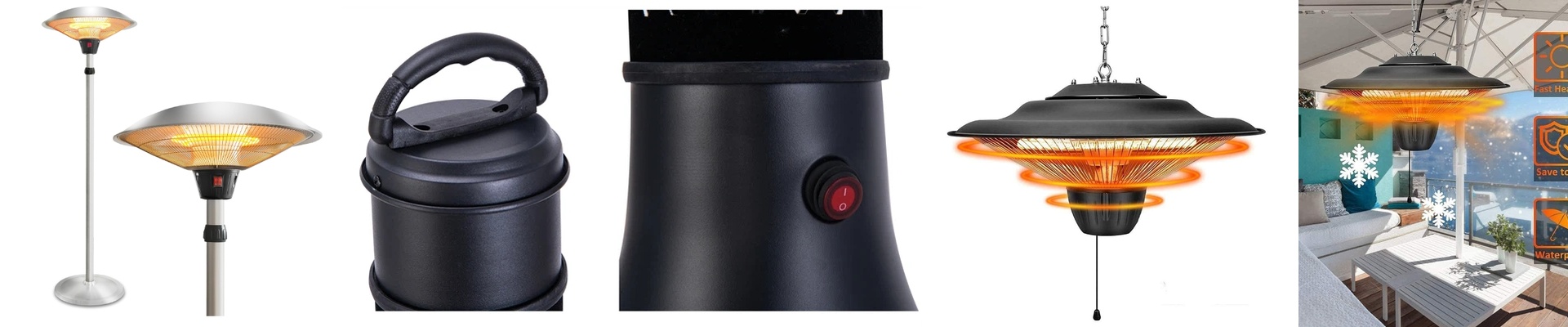
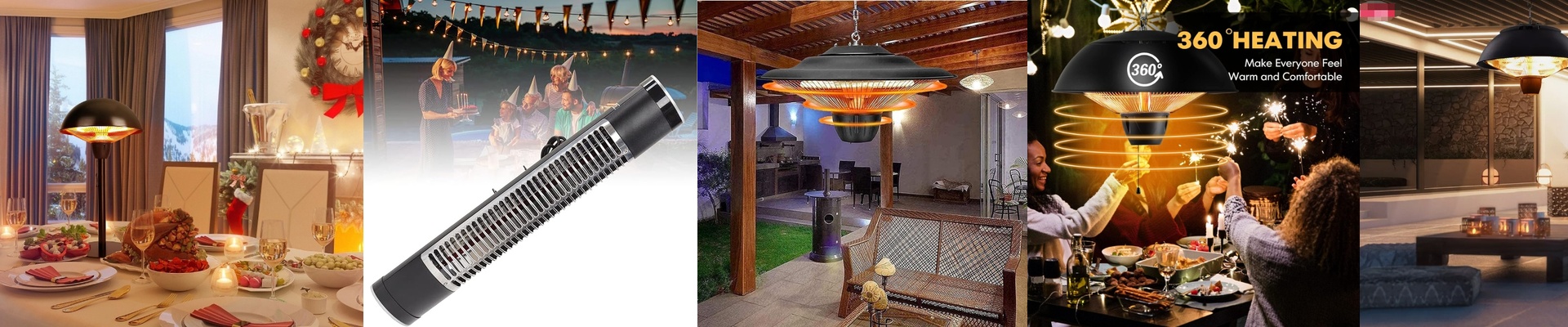
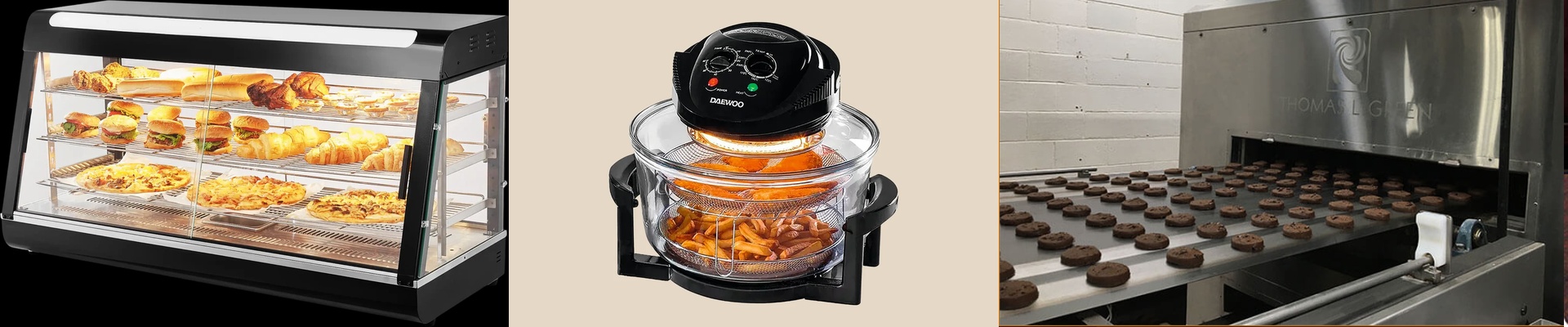
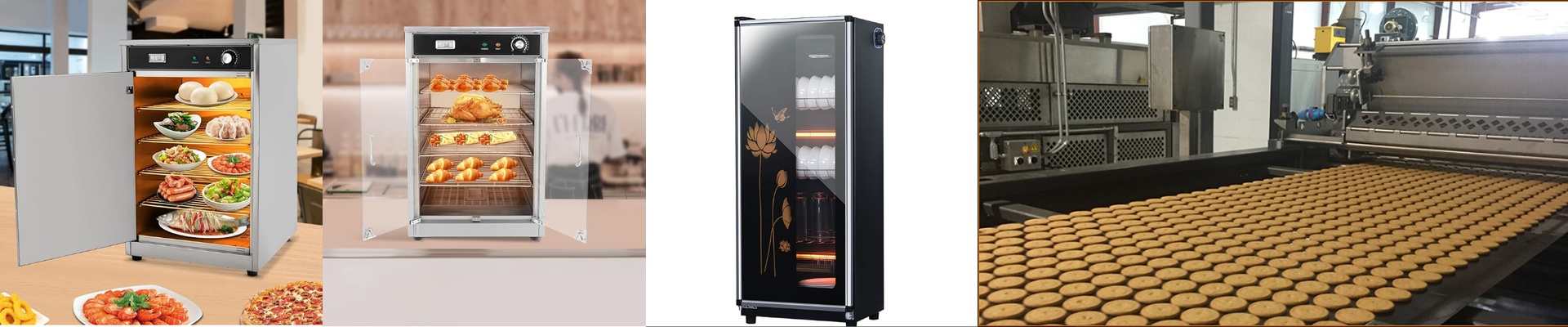
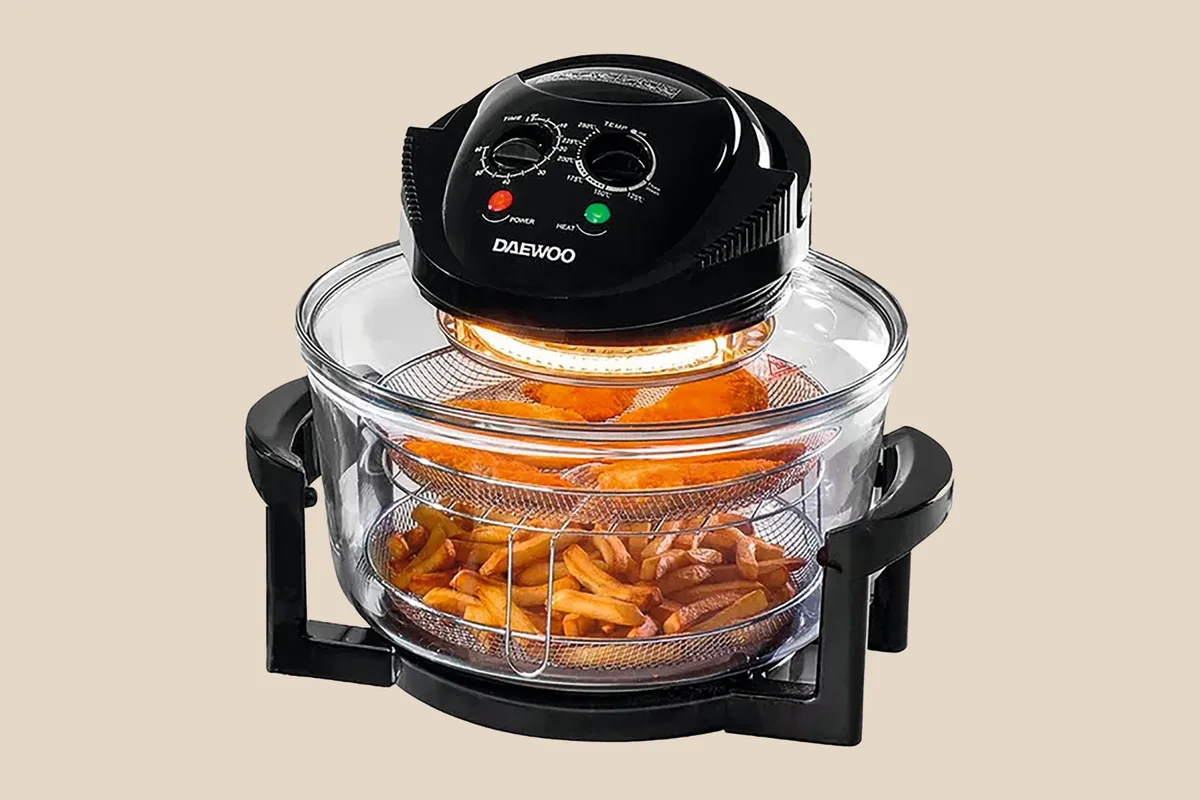
In a busy bake-off, your oven has to move heat fast and hold it steady. When the heating element drags its feet, you end up with uneven color, wasted energy, and a line that backs up. We built our carbon fiber kitchen oven heating tubes to cut that cycle short and keep the baking chamber consistent, turn after turn. The heart of it is the carbon fiber element itself. It hits target temperature quickly, so the oven recovers fast after door openings and loading. The heat profile stays even across the deck or stone hearth, which means every loaf and every sheet pan gets the same exposure. In practice, that’s consistent caramelization, a deep golden crust, and an interior that stays tender—without scorching the edges. Here’s why it works in a commercial oven: speed and stability. The quick response shortens bake windows, which can help throughput during rushes. Energy use per bake cycle usually drops because the element heats on demand and holds steady, so the thermostat isn’t chasing spikes and dips. For rotary ovens, deck ovens, and convection units, the payoff is predictable performance—batch after batch—with fewer temperature swings that kill product. Installation is straightforward, but pay attention to mounting and clearances. Carbon fiber elements are efficient, yet they need clean airflow and proper insulation around the tube ends to protect nearby components. Match the voltage and connector type to your oven’s terminal block, and verify the element length against the chamber dimensions. Handle the tube by the mounting points only, and keep it free of grease buildup. A clean element stays uniform, and a clean oven stays consistent.