Making Baking Greener with Twin-Tube Infrared
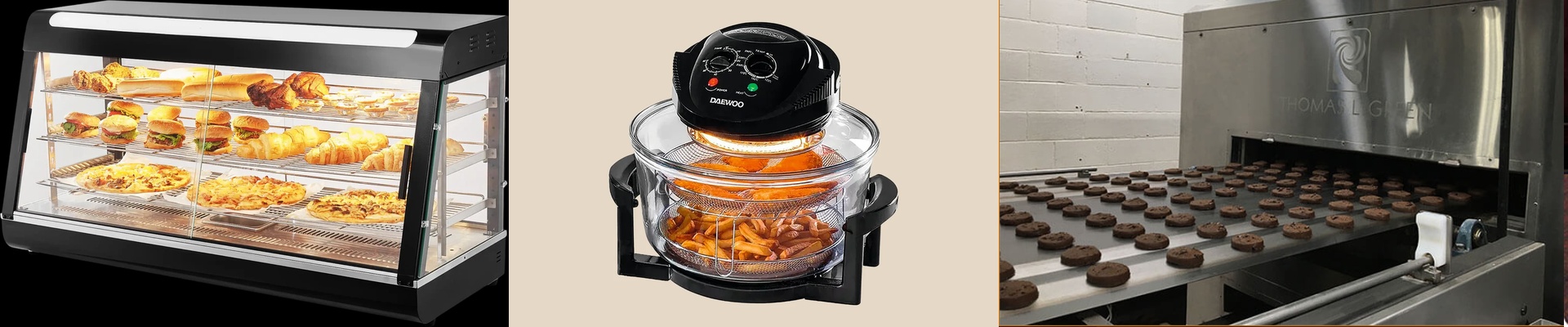
Let’s be honest: traditional convection ovens are energy hogs. They spend way too much time heating up massive amounts of air just to get the job done. If you’re trying to hit “green kitchen” goals, there’s a better way. We’ve been moving toward twin-tube infrared (IR) elements. Instead of heating the air around the food, these target the dough directly. It’s a much smarter way to work.
How the Twin-Tube Setup Actually Works
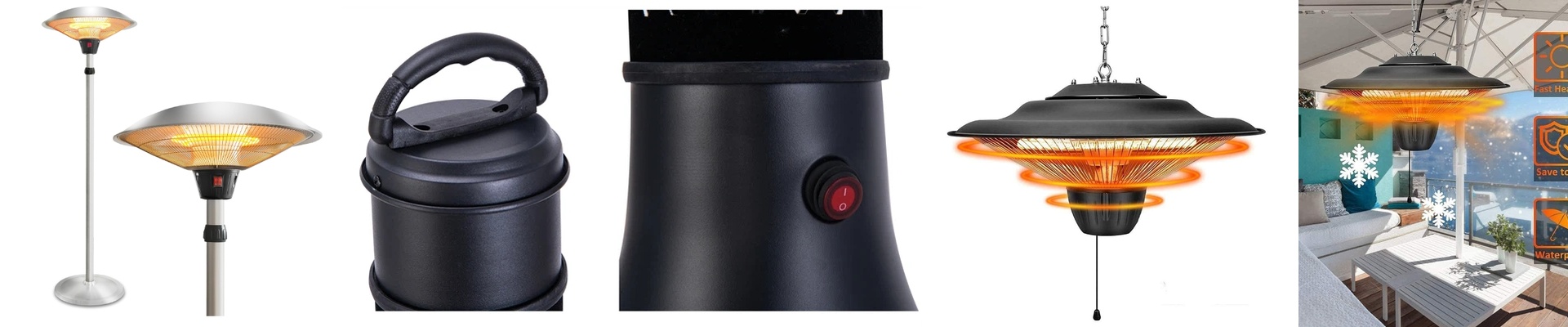
Imagine doubling your heating surface without taking up any extra space. That’s what the twin-tube design does. It puts two heating filaments inside a single quartz tube. Because the heat flux is so concentrated, you hit your baking temperatures way faster. No more standing around waiting for the oven to warm up. It just happens. Now, a quick heads-up on the technical side. We usually set these up for high-voltage industrial grids. It keeps the current draw under control while still giving you the power you need. Just make sure your wiring and contactors can handle the peak load. You don’t want anything burning out because the hardware was too flimsy for the wattage.
Better Materials, Better Control
We use high-purity quartz glass because it lets the IR heat pass through without any interference. The filaments themselves are specially coated so they don’t just oxidize and crumble when things get hot. But here is the best part:the response time. Old-school resistive coils stay hot long after you flip the switch. They’re sluggish. IR elements are the opposite. They snap on and off almost instantly. This gives you incredible precision. You can tweak the duty cycle of the lamps to get the exact crust color you’re looking for without over-baking the inside. No more guessing games.
The Reality of Setting It Up
You can pretty much drop these into an old oven to replace those chunky heating rods, but there is a catch. IR heat is directional. It travels in a straight line. If you just throw them in without a plan, you’ll end up with cold spots and bread that bakes unevenly. It’s frustrating. To fix this, we suggest a staggered layout. It ensures every loaf gets an equal share of the heat. When you make the switch, you’re not just saving energy. You’re getting a leaner machine. You can ditch the heavy insulation and those massive, noisy blowers. It’s a simpler setup that happens to be much kinder to the planet.