
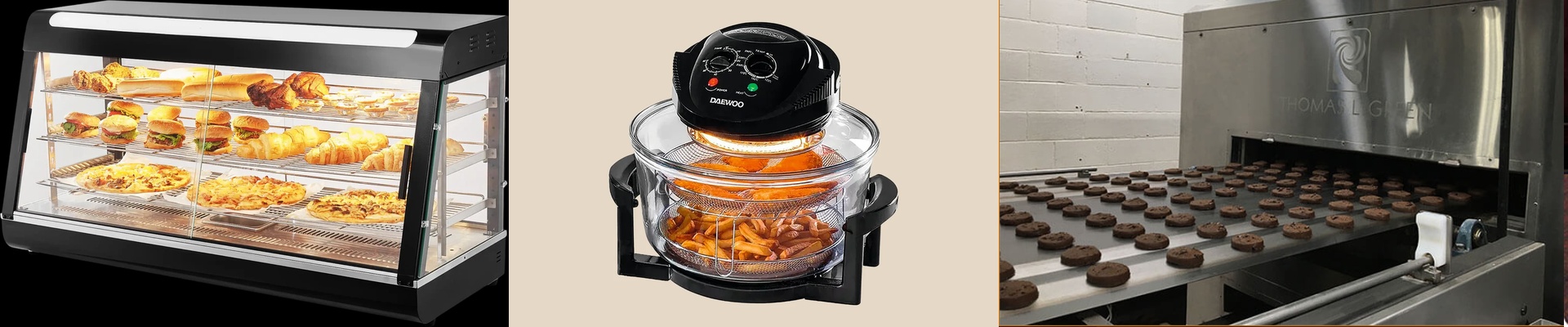
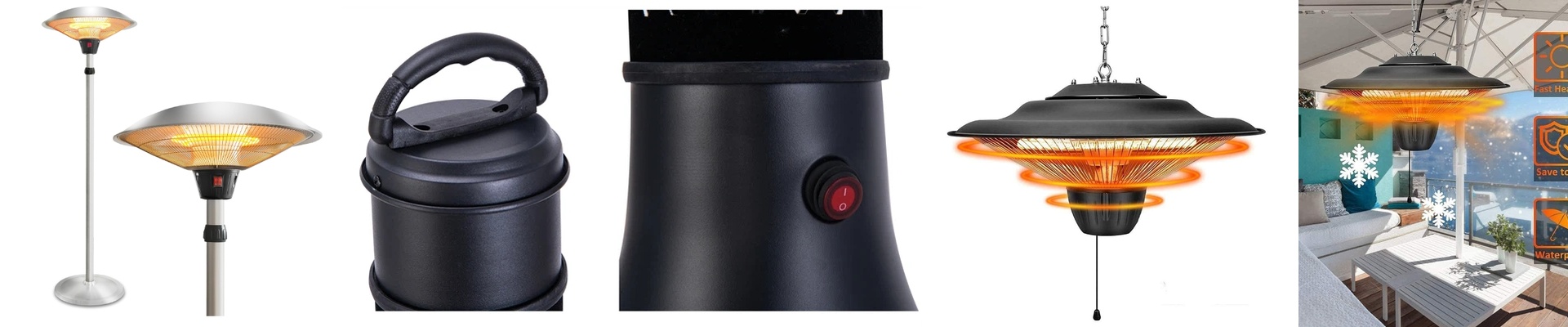
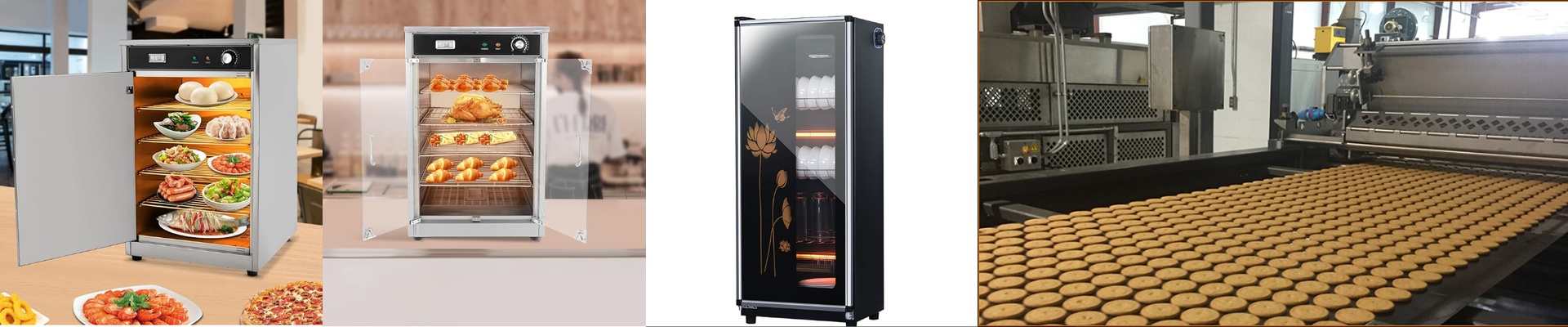
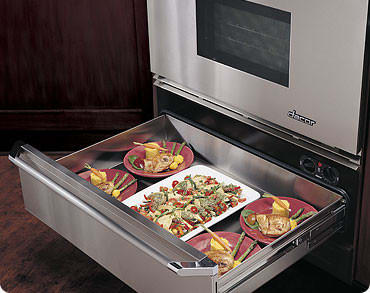
When the griddle starts drifting on temp, the service tickets start piling up. You know the drill—heat dips kill the caramelization on the stone hearth, and recovery lags right when the dinner rush hits. Tickets back up, and you’re burning energy for no reason. A solid replacement ceramic heater puts the heat back where it belongs: under control.
What actually matters under the hood
We build these ceramic heaters for the grind of industrial griddles—steady, high-demand, no room for mood swings. They come up to temp fast and hold a tight setpoint, so the baking chamber stays predictable. The specs are straight-up practical: standard voltages (240V/480V options), watt densities matched to real griddle loads, and a compact footprint that drops into the original mounting without fuss. The ceramic core takes thermal shock in stride, and the terminal setup is engineered for secure, low-resistance connections.
Why this matters in the bake
In pizza, bread, and roasting workflows, consistency is the whole ballgame. With this heater, the deck or griddle recovers quickly after the door gets popped open, so you keep clean sear marks and even rise. Energy use drops because the element hits operating temp fast and holds steady without wild cycling. Fewer swings means fewer underdone centers, fewer overdone edges, and fewer ingredients in the trash.
What you need to know before you order
Install is straightforward on most griddle platforms, but always double-check mounting dimensions, terminal block spacing, and lead length before you buy. Match wattage and voltage to the original so the thermostat and safety settings stay right where they should be. Expect a short burn-in—binders and insulation can give off a smell the first run. Run the griddle empty at operating temperature before you put it back into service.