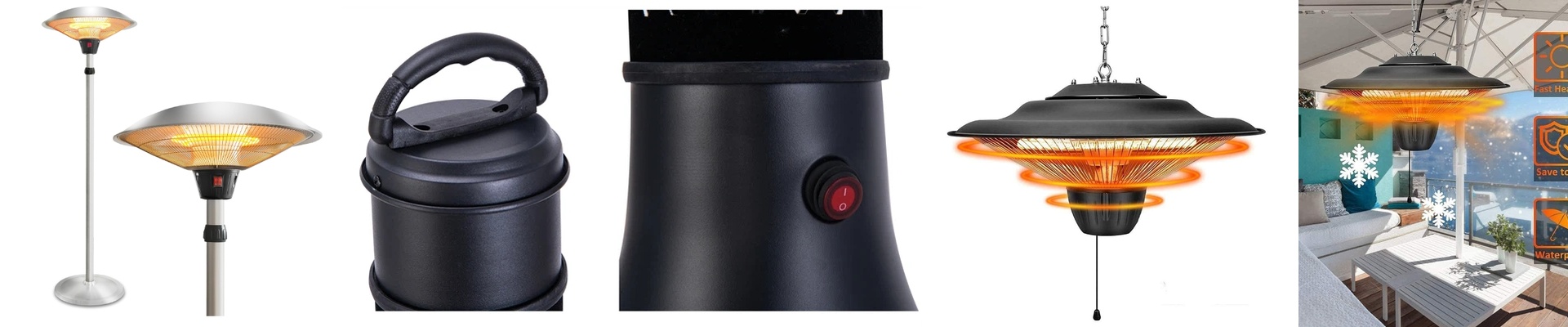
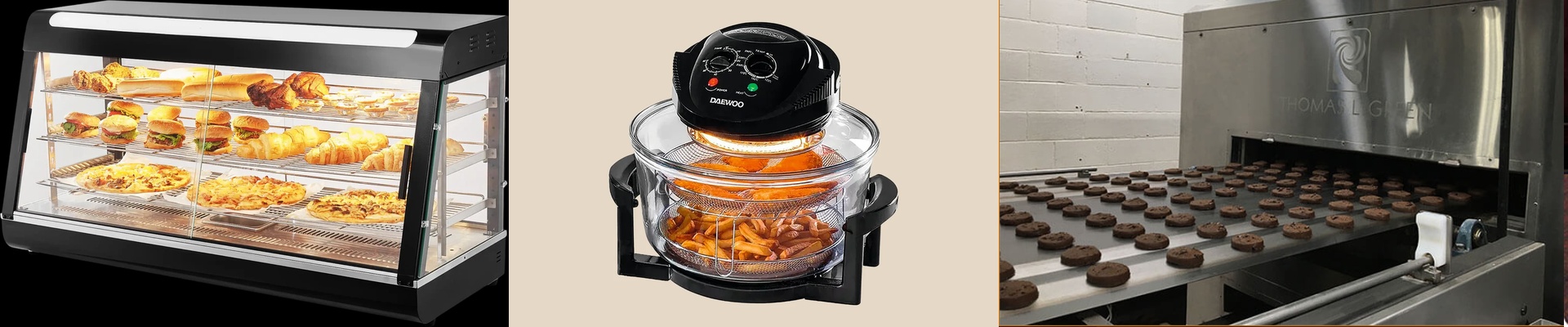

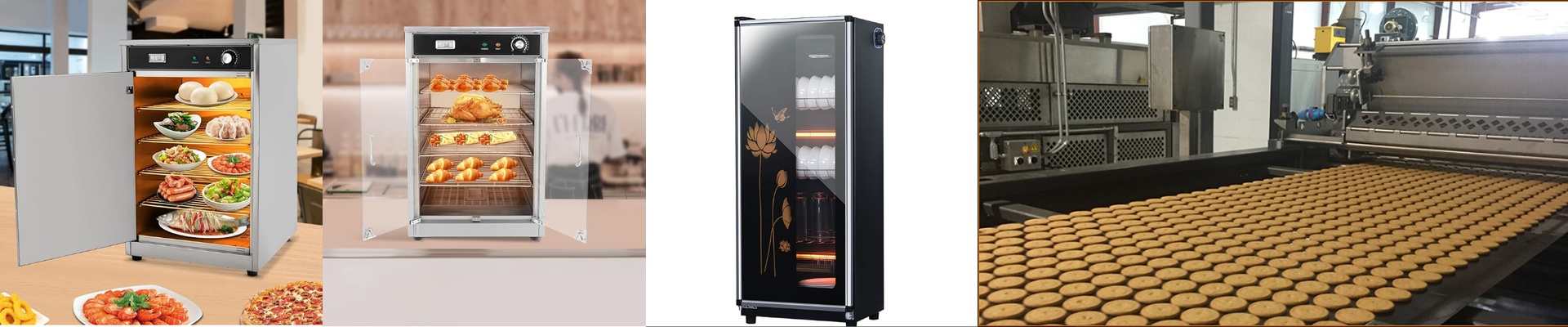
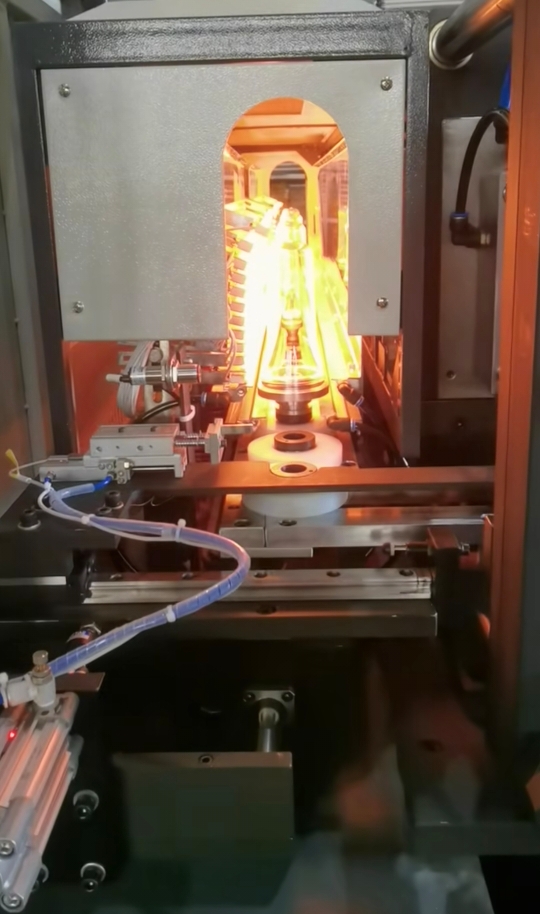
On the blow molding line, the heating section is where uptime quietly bleeds away. When infrared emitters run hard, standard end caps crack, discolor, and lose their alignment. The lamp shifts. Preform heating drifts. Then you’re dealing with weak bottles, off-spec walls, and a frantic mid-run changeover. We built a heat-resistant ceramic cap for the reality of stretch blow molding. It holds geometry at high temperature, protects the lamp connection, and keeps the infrared field stable—so the heating tunnel runs the way it was meant to.
What matters, technically
This cap isn’t just a cover. It’s a thermal anchor that keeps the emitter seated exactly where it needs to be, shift after shift.
- **Material:**High-alumina ceramic, chosen for high-temperature stability and low thermal expansion. It takes the thermal shock of repeated start-stop cycles without cracking.
- **Temperature rating:**Stable up to 1,200°C peak, so it can sit close to the quartz tube without deforming.
- **Geometry:**Precision-molded to hold lamp alignment and spacing. Preform heating depends on consistent distance and angle to the emitter.
- **Electrical interface:**Designed for the infrared lamp bases and connectors you already run—halogen lamps, quartz tubes, and short-wave emitters. Specs match standard voltages and pin layouts, so you can drop it in without rewiring.
- **Thermal efficiency:**The ceramic cap reflects and directs heat forward, so less energy is wasted heating the machine frame and the surrounding air. Put simply, these details deliver repeatability. When the lamp stays centered and the heat is aimed at the preform, your heating profile stays consistent and you stop chasing parameters.
Why this works in real machines
On a PET blow molder—Sidel, Krones, SIPA, Husky, SACMI, or Nissei ASB—the heating tunnel is a tight, engineered space. A cap that warps under heat changes the distance from lamp to preform. That changes the heating curve, and the bottle shows it. Ceramic caps keep the system honest.
- **Fewer unplanned stops.**Ceramic doesn’t crack under repeated thermal cycling the way standard caps do. On 24/7 lines, that means fewer emergency changeouts and more scheduled maintenance.
- **Stable heating, stable output.**With fixed lamp position, preform heating repeats. That cuts thickness variation and weak points in the bottle, which means less scrap and rework.
- **Lower energy use.**The cap’s thermal directionality reduces stray heat. In plant trials, we measured up to 8% lower energy use in the heating section when swapping standard caps to ceramic across a full tunnel.
- **Longer service life.**A typical halogen/quartz run in a harsh heating tunnel can be 2,000–3,000 hours with standard caps. With ceramic caps, we’ve seen 5,000+ hours with less than 5% output drop, depending on the emitter and operating profile. The numbers line up like this:
- Cap replacement frequency drops roughly 40–60% compared with standard caps, depending on machine and duty cycle.
- Energy draw in the heating section can fall up to 8%, which adds up to real kWh savings over a year.
- Less downtime from heating-related changeouts gives you hours back in available production.
The details you need to get right
Ceramic caps are tough, but they aren’t forgiving of mismatched hardware.
- **Match the lamp and base.**The cap has to fit your emitter base and connector type—R7s, G38, or whatever your machine uses. If the interface is off, alignment goes with it.
- **Confirm tunnel geometry.**Some machines have tight clearances. Check the cap dimensions against your heating tunnel bracket and reflector setup before ordering a full tunnel retrofit.
- **Handle with care.**Ceramic is hard, but brittle. Install with clean hands and avoid torque on the cap. A cracked cap won’t hold alignment, even if it looks fine.
- **Pair with the right emitter.**The cap performs best when matched to the emitter’s wavelength and power density. If you’re running short-wave or medium-wave infrared, use the cap designed for that profile to keep the heating window tight. If your heating section is chewing up maintenance budget and pushing your scrap rate, the fix can be as straightforward as upgrading the part that takes the heat. Specify heat-resistant ceramic caps, match the interface, and let the tunnel run the way it was built. We supply caps engineered to fit the major blow molding platforms. Give us the machine model, the lamp type, and the connector. We’ll match the spec and get the right cap to you—so your line keeps moving.