
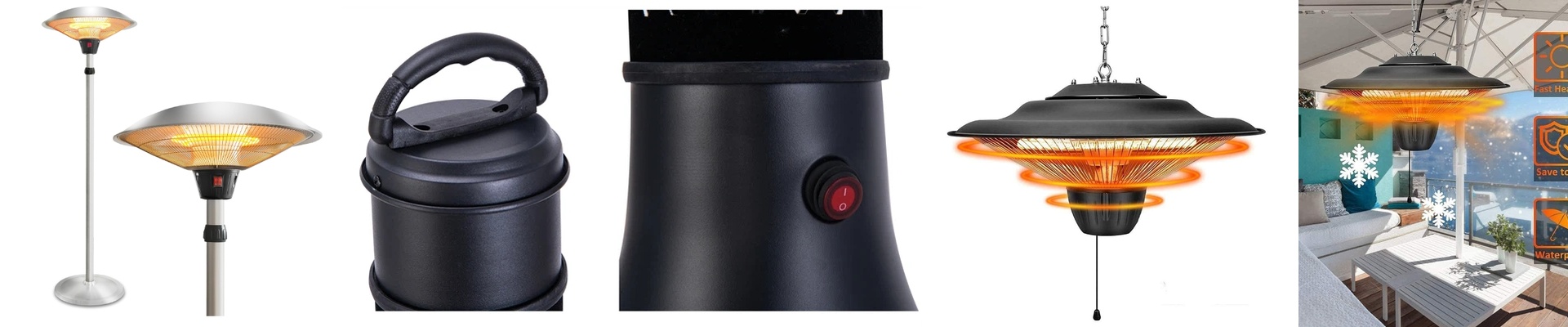

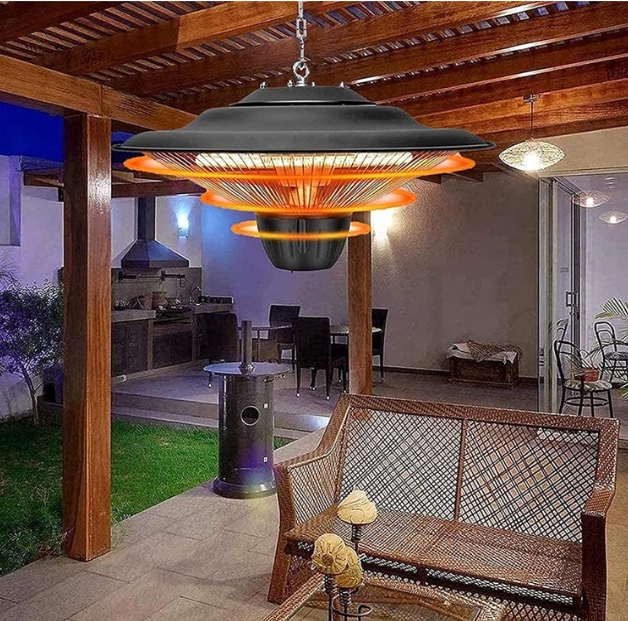
Stepping out of the shower into a bathroom that’s still damp and cold isn’t just uncomfortable. It’s an open invitation for mold and mildew. A low-light infrared bathroom heater does more than warm the room. It goes after the conditions that let spores take hold, turning your bath into a clean, dry, and genuinely comfortable space.
What matters, technically
Infrared warmth is radiant. It heats people and surfaces directly, not the air. In a bathroom, that means you feel cozy almost immediately, and the air doesn’t get as saturated with moisture. Low-light models use near- and medium-wave emitters—usually quartz tubes or carbon fiber elements—tuned to deliver heat with minimal visible glare. That’s the whole point of “low light”: comfort without harsh brightness, especially when you’re toweling off or winding down. We build these heaters to run quietly, with instant-on response. Wattages are matched to typical bathroom sizes—commonly 1500–1800W for standard rooms—so you get quick warmth without overshooting. Many units include a built-in thermostat for steady temperature control, plus safety features like tip-over protection and overheat cutoff. For wet spaces, look for an IP rating that’s appropriate for humid environments.
Why it works so well in a bathroom
Bathrooms go humid fast. When surfaces stay cool, condensation forms, and that moisture feeds mold. Infrared heat keeps walls, floors, and fixtures warmer than the dew point, so condensation drops off. The room dries faster after a shower, which helps cut down musty odors and those visible spots along grout and caulk. This isn’t just about comfort. It’s about your routine. You get a toasty start in the morning and a calming end to the evening, with fewer interruptions to wipe down surfaces. Over time, that steady dryness supports a healthier feel—fewer flare-ups for allergy-prone households, and less weekend scrubbing.
What you need to know
Installation is straightforward, but placement matters. Mount the heater where the beam of warmth hits you directly, and keep clearances from showers and water sources exactly as the manual specifies. Because infrared heats objects, you may notice warm spots on nearby surfaces—totally normal, and part of how the unit works. Most low-light infrared bathroom heaters plug into a standard outlet, but some higher-wattage models may require a dedicated circuit. If your bathroom has a ceiling fan or a fixed light, plan the layout so airflow and heat aren’t fighting each other. And remember: these heaters reduce humidity by warming surfaces, but they don’t replace an exhaust fan—use both for the best results.