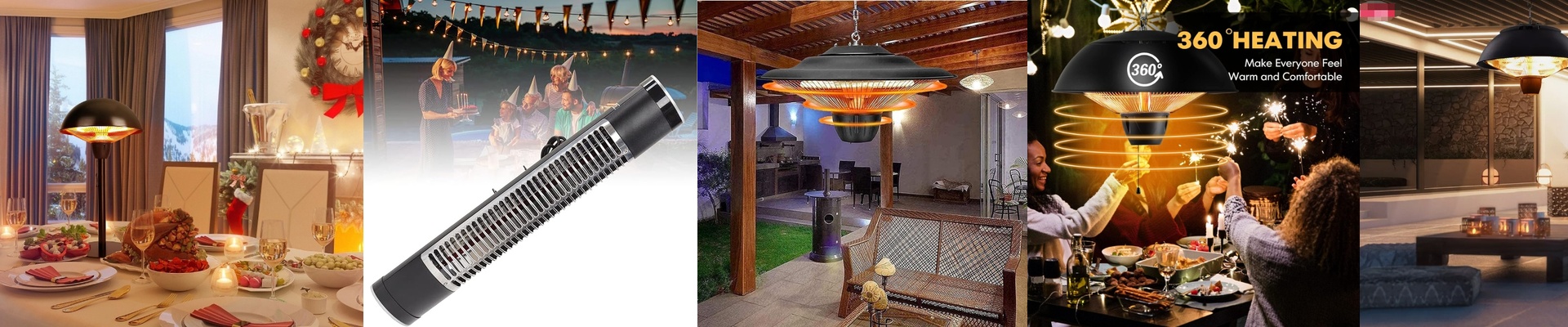
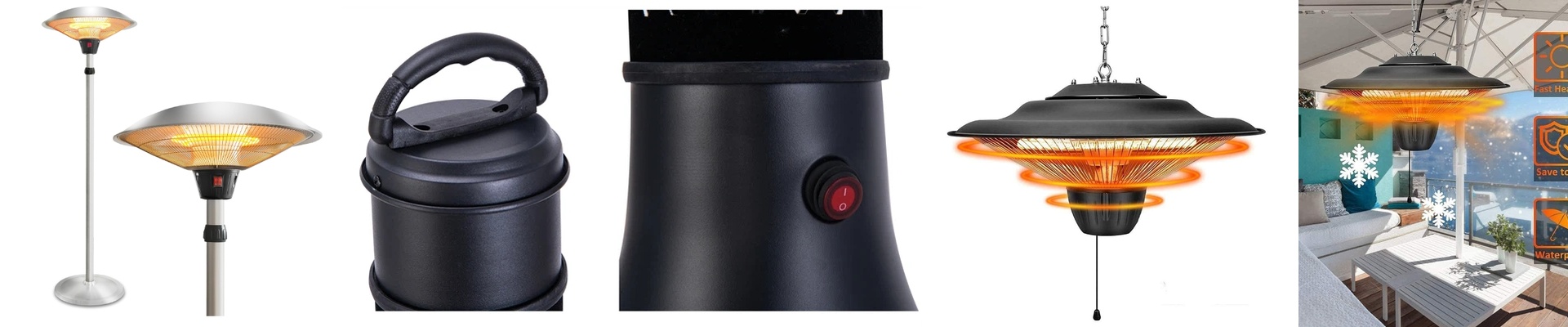
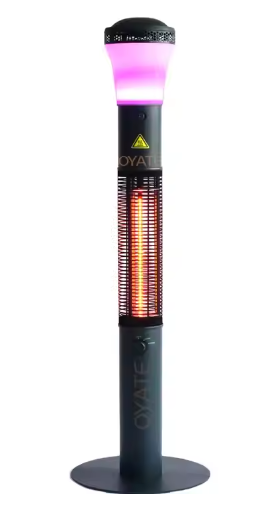
Steam rises from a coffee cup as the line inches forward. A train announcement pops over the speakers, and people shuffle, rubbing their hands to fight the chill. In these in-between spaces, comfort isn’t a perk—it keeps a queue calm instead of tense. When the air turns sharp, you need warmth that shows up fast, stays quiet, and doesn’t cut corners on safety. What matters under the hood We lean on radiant infrared heat, delivered through a quartz tube or a carbon fiber element. It warms people and objects directly, not the air around them. The payoff is heat you feel almost instantly, with no noisy fan and hardly any draft. In the field, a 1.5 kW to 3.0 kW electric heater can bump up the perceived temperature several degrees within seconds, running off standard 120 V or 230 V outlets depending on the site. Tip-over protection is the safety backbone: if the unit gets bumped or tips, an internal switch kills power immediately, and it won’t restart until you reset it. Pair that with a thermostat, and the heater cycles on and off to hold the comfort level you set, keeping energy use steady. Why this approach fits these spots Café patios, train platforms—same pattern. People arrive, pause, and move on. Warm-air systems can feel sluggish and loud; radiant infrared gives you targeted warmth exactly where it’s needed. Patrons linger longer when gentle heat hits their legs and shoulders, and staff handle doorway drafts without scrambling for extra heaters. On the transit side, riders get a steadier feel near the platform edge, and operators get a low-maintenance setup with fewer moving parts to fail. What you need to keep straight Infrared heaters are directional by nature, so placement is everything. Mount them 7 to 9 feet high, angled to cover seating and walkways, and keep direct glare off glass or reflective surfaces. Maintain clearance from combustibles, and match the IP rating to the exposure—IP34 or higher for sheltered outdoor areas. Plan for dedicated circuits so breakers don’t trip. And remember: the warmth is instant, but coverage is line-of-sight. If you’re dealing with a wide, open layout, you’ll often need multiple units to get even coverage.