

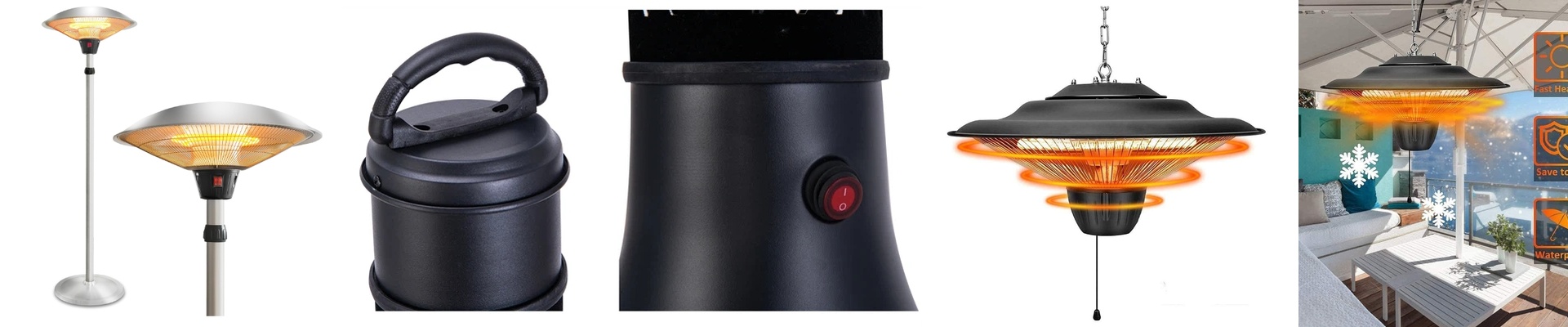

In a hot yoga studio, the room has to hold steady. When the heat dips, the flow breaks. Students stop sweating, focus drifts, and the whole session loses its therapeutic punch. That’s why a lot of studios and gyms lean on fake flame heaters—electric infrared units that put out immediate, controllable radiant warmth—to keep the environment consistent and the practice on track.
What matters under the hood
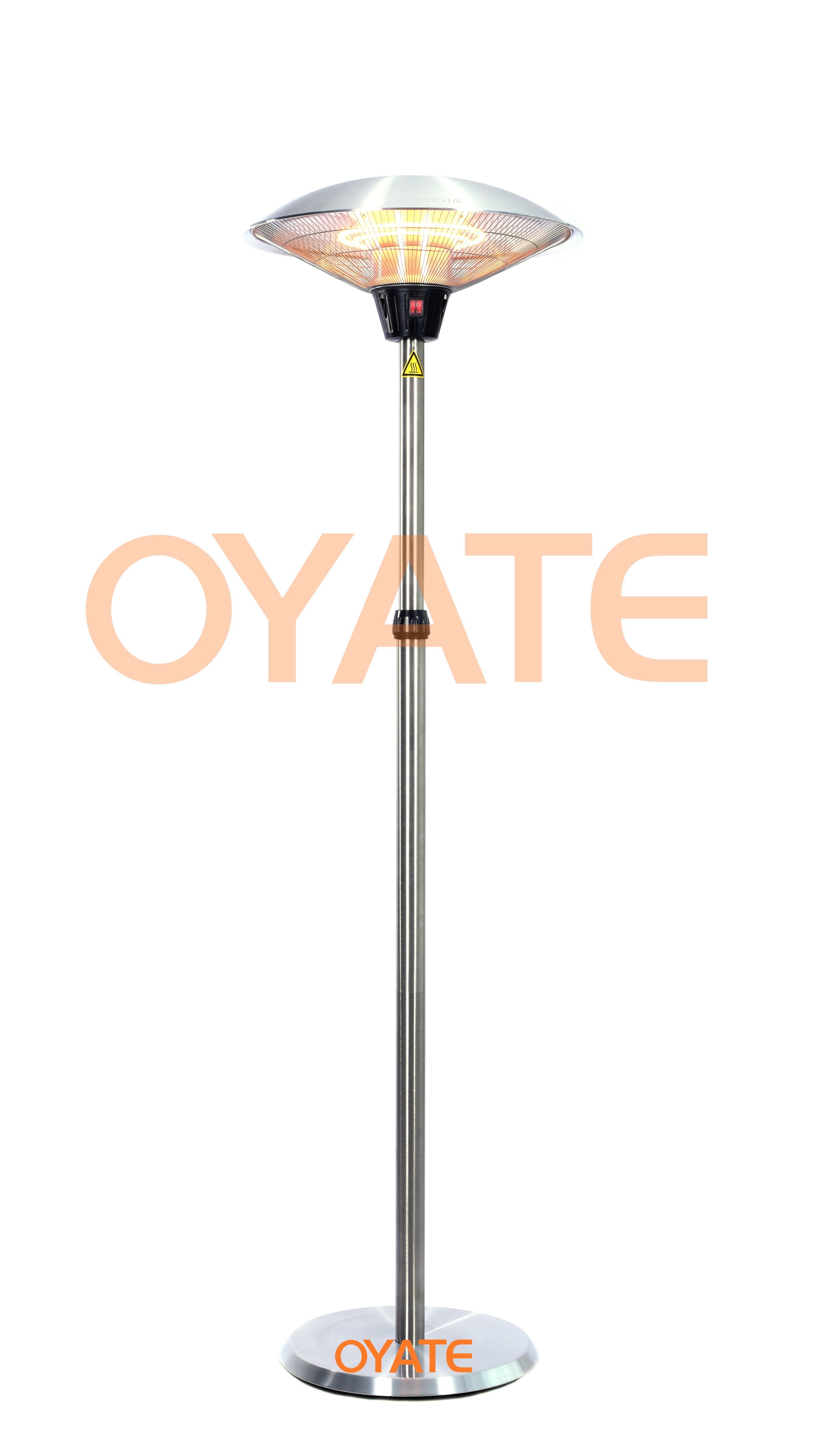
Fake flame heaters use infrared emitters—usually quartz tubes or carbon fiber elements—to send heat directly to people and surfaces, not to the air. You feel it as a warm-to-the-touch sensation that reads natural under bare feet and on exposed skin. Commercial models typically run on 240V circuits, pulling 1.5–3 kW per heater, and you want them paired with a thermostat so you can hold a target temperature instead of chasing it all class. Look for IP-rated housings when you’re dealing with humid spaces, and cover the safety basics: tip-over protection and a protective grill. The “fake flame” effect comes from a glowing element behind a screen—giving the comforting look of a fire without any combustion or open flame.
Why this approach fits hot yoga
Radiant heat warms bodies fast, so clients hit a good sweat sooner—supporting detox routines and helping them settle into deeper stretches. Because the warmth is directional, you can place heaters to focus on mats and transition zones, keeping the room feeling even without blasting hot air everywhere. That matters in hot yoga and heated strength classes: steady warmth means fewer interruptions, cleaner form, and a more repeatable experience. For studios, it also becomes a premium add-on—upgraded thermal comfort that guests notice the minute they step in.
The practical details that make or break it
Infrared warmth works best when the heater has a clear line of sight to the people you’re trying to warm. Walls, curtains, or high ceilings can blunt the effect. Plan for even spacing and aim the units slightly downward toward the practice area. And because radiant heat warms surfaces, make sure nearby materials can handle the heat without damage or discoloration.Proper placement and the right number of units per square meter are what separate a cozy room from one that feels patchy.