
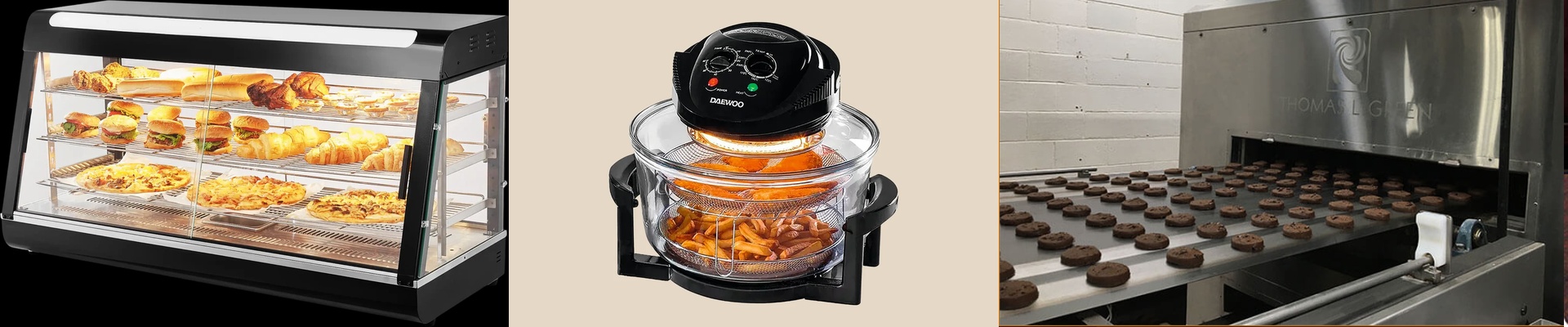
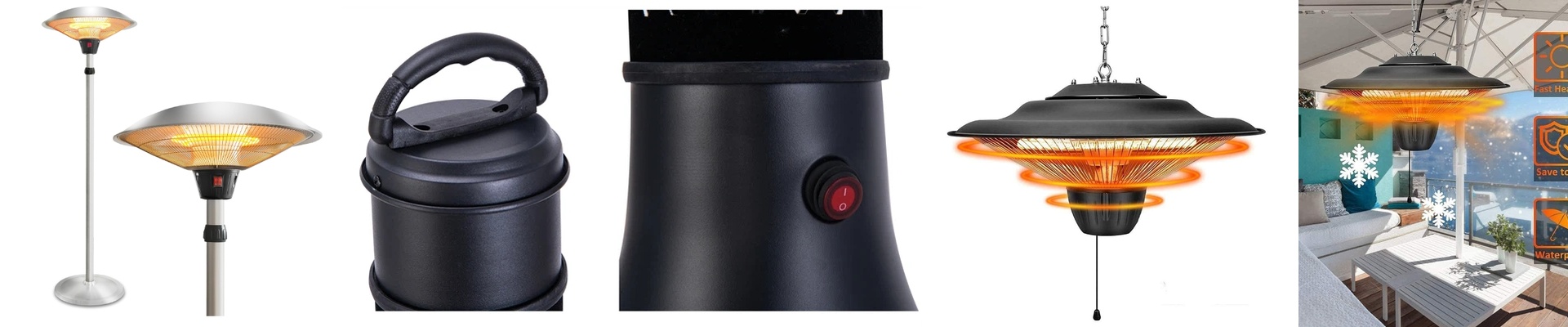
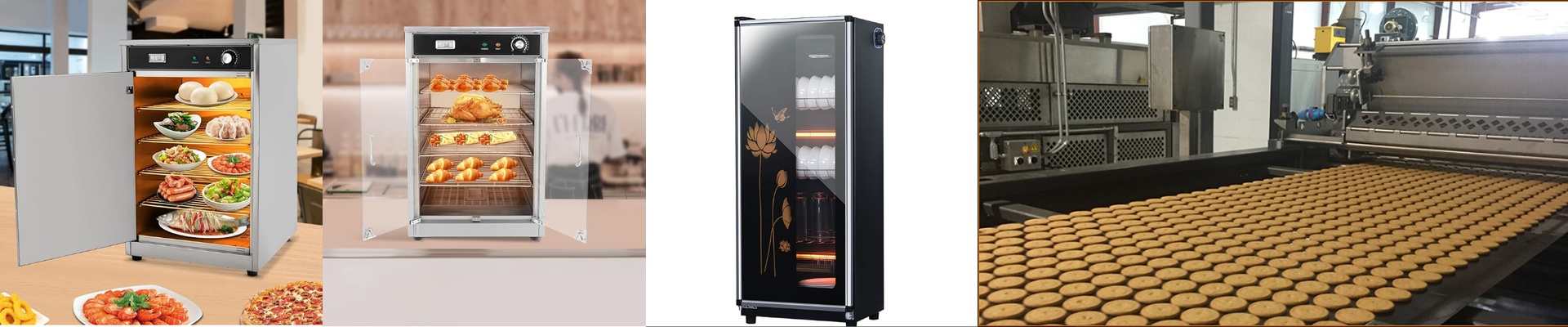
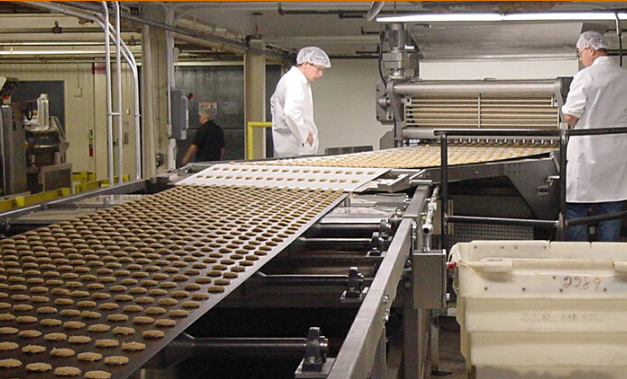
Why Quartz Infrared Tubes Make Sense for Your Oven
Let’s be honest: nobody wants to waste money heating up a giant metal box just to cook a pizza. Most ovens rely on convection, which basically means you’re heating all the air in the cavity before the food even feels it. It’s slow. It’s wasteful. That’s why we use quartz infrared (IR) tubes. Instead of warming the air, these tubes send heat straight into the dough. It’s a different kind of heat. Think of it like stepping into the sun on a cold day. You don’t wait for the air around you to warm up; you feel the heat on your skin instantly. Quartz tubes do the same thing. They let short and medium-wave radiation pass right through, hitting the food directly. The result? Your preheat times vanish. You use fewer kilowatt-hours per bake. It’s just efficient. The nitty-gritty on the gear We use high-grade quartz because it can handle the “shock” of going from cold to scorching hot in seconds without cracking. Inside, there’s a tungsten filament protected by the quartz, which keeps it from burning out. One of the best parts is the control. The second you flip the switch off, the heat drops. No more waiting for a massive stone slab to cool down. But here’s a pro tip: don’t overdo it. If you push too much wattage into a short tube to get a “super crisp” crust, you’re going to stress the quartz and shorten its life. It’s a balancing act. Also, make sure your tube voltage matches your local grid. It saves you from having to install those bulky transformers that just eat up electricity for no reason. Keeping the kitchen cool If you’re trying to run a “green” kitchen, you have to look at “idle energy”—the power you waste when you aren’t actually cooking. Since IR tubes don’t need the whole oven to stay at a boiling temperature, you aren’t leaking heat all over your kitchen. Your AC doesn’t have to work overtime to fight the oven, which is a win for everyone. Getting these installed is pretty easy. Most of the time, they just drop right in where your old coils used to be. Just double-check that your wiring and sockets can handle the peak current so you don’t fry your terminals. And one last thing—if you’re planning to run these at full blast 24/7, make sure your vents are up to the task. That concentrated heat is powerful stuff.