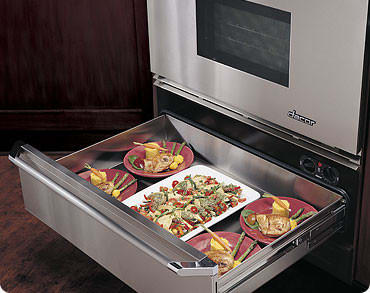
Getting the Heat Right in Smart Deck Ovens
The days of just cranking a dial and hoping for the best are over. If you’re building or running a modern smart kitchen, you’ve probably noticed that basic thermostats just can’t keep up anymore. That’s why we’ve moved toward high-precision infrared (IR) lamps. They’re the secret sauce for getting that AI-driven temperature control to actually work in the real world. Why speed matters Here’s the thing about old-school heating coils: they’re bulky. They take forever to heat up and even longer to cool down. By the time the oven realizes it’s too hot, the food is already scorched. We call that “overshoot,” and it’s a nightmare for consistency. We use short-wave infrared quartz tubes instead. Why? Because they blast energy directly onto the food. It’s almost instant. If your sensor picks up a spike in temperature, the IR element drops its output right then and there. No lagging. No guessing. The nitty-gritty of the setup We don’t believe in “one size fits all.” Every oven has a different footprint and every building has a different power grid. Depending on whether you’re running a 230V or 400V industrial phase, we tweak the length and wattage of the tubes. The goal is simple: you want the heat to be the same in the corner as it is in the center. And a quick heads-up on the connectors. This is where a lot of people mess up. Whether you’re using R7s or Sk15, those contact points have to be rock solid. If they can’t handle the current, they’ll pit and fail. We stick with high-grade quartz so the tubes don’t warp after a few hundred cycles of heating and cooling. The reality check Now, these lamps pack a punch. That intense heat is amazing for a perfect sear, but it puts a lot of stress on your wiring. You can’t just slap a high-wattage tube into a cheap socket and call it a day. If you bump up the wattage to get faster recovery times, you’ve got to make sure your relays and wires can actually handle the amp draw. If you don’t, you’re looking at burnt-out terminals—and that’s a bad day for everyone. One last pro tip: keep the quartz clean. Use a glove. Even a few fingerprints leave behind oils that create “hot spots.” Those spots are tiny weak points that will crack your tube the first time it gets hot. It’s a small detail, but it saves you from a lot of headache.