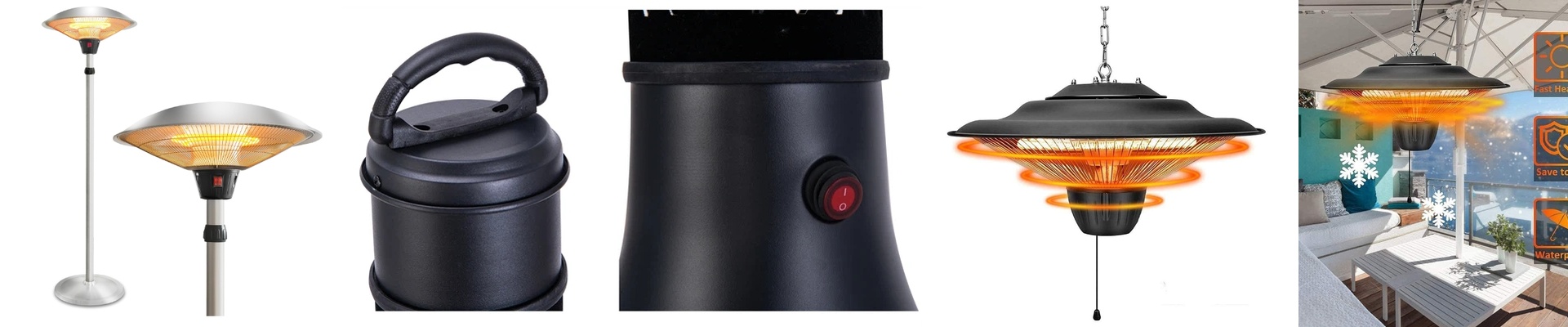
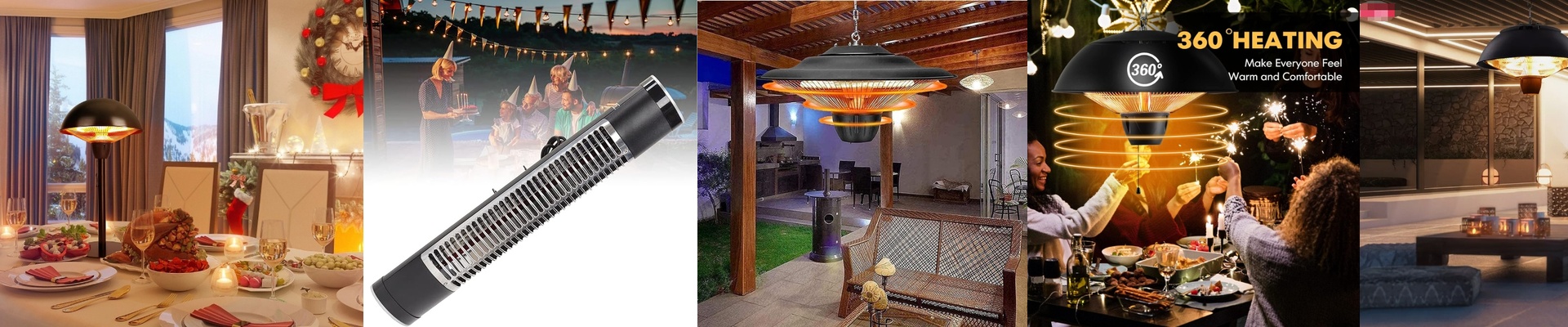
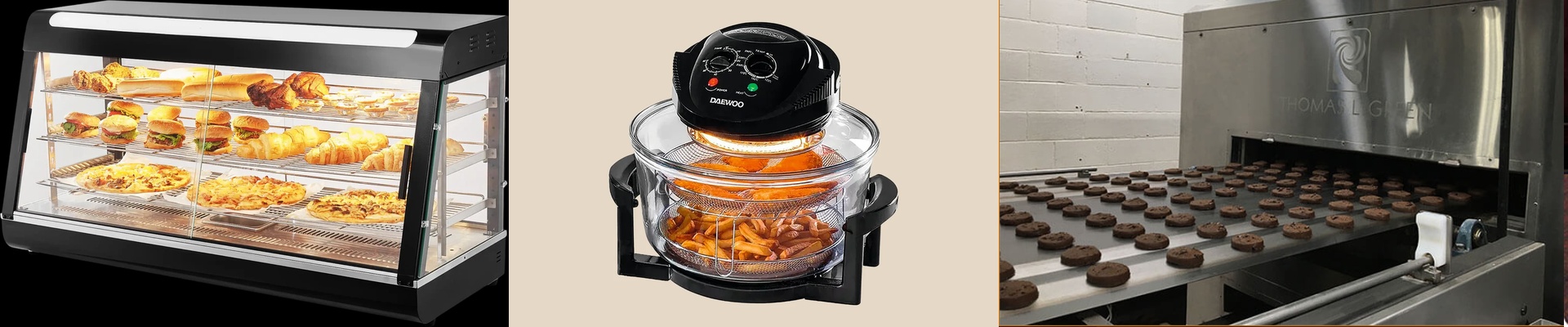
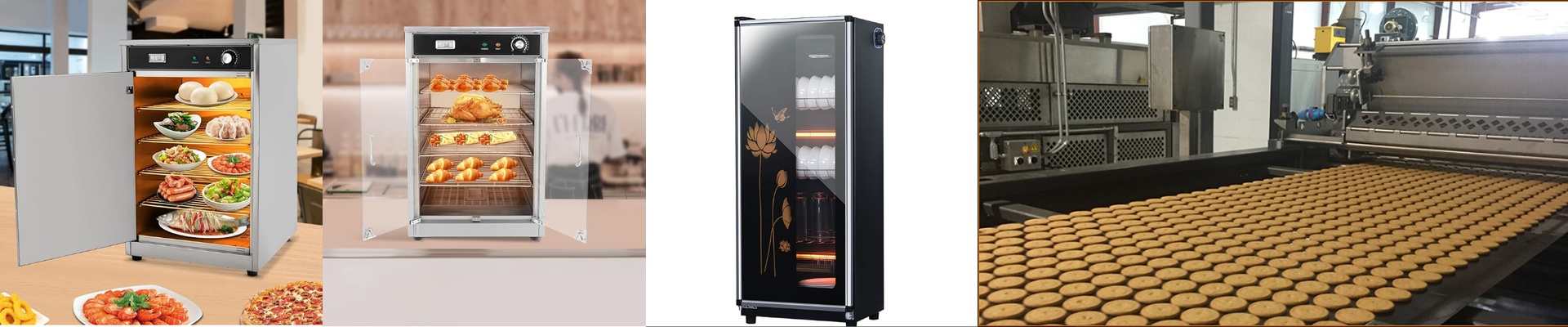
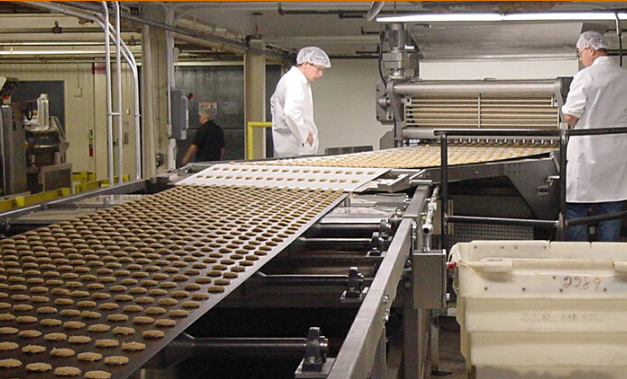
In a busy commercial kitchen, your oven sets the pace. If the heat is lagging, you spend too long waiting on recovery, deal with hot and cold spots, and chase consistency all service long. The carbon fiber kitchen oven IR heater turns that around. What matters under the hood Carbon fiber infrared elements respond fast, hitting target temperature in minutes instead of tens of minutes. You get quicker recovery after the door opens, and a baking chamber that stays steady. Temperature control tightens up—±3°C stability across the deck or cavity—so every tray comes out the same. The broad IR spectrum gets into the dough efficiently, promoting even crust color and controlled caramelization without scorching the edges. You also feel the efficiency in the power draw: lower energy per bake cycle, and less waste heat bleeding into the kitchen. Why it fits the workflow Whether you’re running a deck oven, rotary oven, or convection unit, carbon fiber IR fits the way you work. Preheat drops, bake cycles shorten, and setpoint holds when doors swing open. That means more covers at peak and fewer under- or over-baked items. Heat stays uniform across the stone hearth and throughout the baking chamber, which helps crust lift and crumb structure. Because the response is fast, you don’t have to compensate with thermostat overshoot. Quality repeats, shift after shift. What you need to get right Installation means matching voltage, phase, and terminal connections to your oven’s spec. Clearances have to respect the element profile so you don’t cook hot spots into the oven. Carbon fiber IR heaters do best in clean, dry environments. If you run a grease-heavy application, plan on shielding and a cleaning routine that protects the element and keeps output consistent. Line up proper mounting hardware, and bring in a qualified technician to align the heater and verify the oven’s control profile. That’s the cleanest way to get the integration done safely and keep it running as intended.