


Getting the Light and Heat Right in Your Bathroom
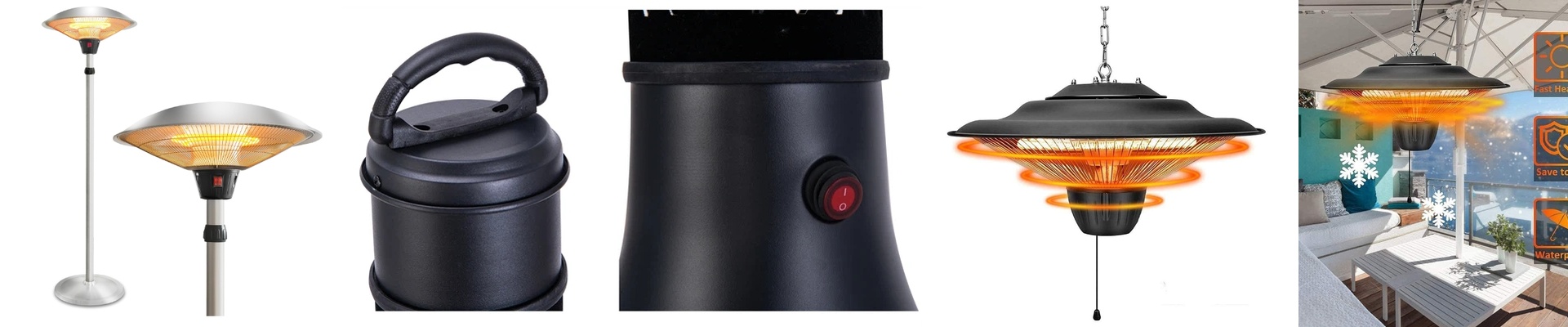
Most recessed infrared heaters do two things at once: they warm you up and they light up the room. But there’s a tricky bit of physics involved here. If you just blast heat, you often end up with that harsh, blinding blue glare. It’s not just annoying—it can actually be too intense for sensitive eyes, especially if you’ve got a baby in the bath. The trick is in the filtering. Standard infrared lamps can be way too bright. To fix that, we use special quartz glass or internal coatings. Think of it like sunglasses for your heater. It filters out those aggressive wavelengths and shifts the energy toward long-wave infrared. The result? You feel the warmth on your skin, but your eyes aren’t fighting a spotlight. It’s cozy, not blinding. Then there’s the build. The housing itself does a lot of the heavy lifting. We line the inside with reflective aluminum to push all that heat straight down where you actually want it. We also use a specific lens to soften the light, or a filament that cares more about warmth than brightness. But here is a pro tip:give it some space. These units get seriously hot in the back. If you cram them into a tight ceiling void without any airflow, the thermal cutout will trip, or worse, you’ll damage your ceiling. Give it room to breathe. Finding the sweet spot. When it comes to wiring and wattage, it’s all about balance. Sure, more wattage means more heat, but if the coating isn’t just right, you get that glare back. We’ve spent a lot of time calibrating this. To be honest, filtering the light makes the lamp a tiny bit less “efficient” on paper. But in the real world? It’s the difference between a clinical-feeling room and a home that feels safe and relaxing.