

A semi-open commercial corridor is a pain to heat. You get drafts pouring in from both ends, the temperature swings all day, and running heat full-time is a fast track to eye-watering bills. When it’s uncomfortable, guests don’t stick around, staff lose focus, and the energy meter keeps climbing.
What matters, technically
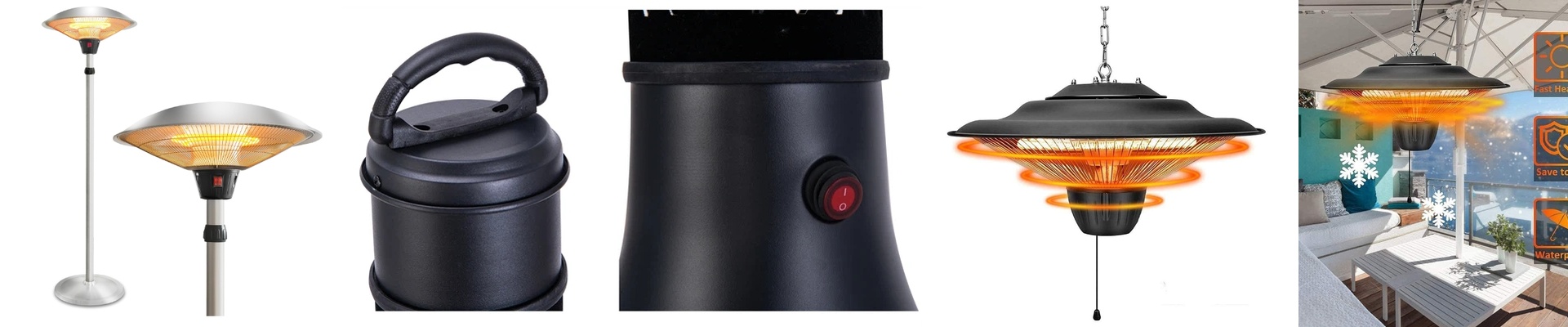
We built this infrared panel heater around a carbon fiber element. It throws radiant warmth that travels in a straight line, heating people and solid surfaces directly—not the air. So you feel heat fast, often within seconds, without that dry, drafty feeling you get with forced-air systems. The profile is low, the footprint is slim, so it sits clean against walls or under eaves. It runs on standard electric service, and the controls stay straightforward: a built-in thermostat and an occupancy sensor. The sensor picks up motion and keeps heat on when the corridor is in use, then scales back when the space goes quiet.
Why it works in this kind of space
With a semi-open corridor, the win is targeted heat. The infrared panel puts warmth where it’s needed, so you’re not throwing energy at an empty passageway. Smart sensing is what makes the difference. When foot traffic drops, the heater automatically cuts output. That keeps comfort up without wasting power. You end up with steady, natural-feeling warmth, lower energy use, and fewer complaints from guests and staff. If you’re running a business that cares about responsible operations, it’s comfort that stays in line with cost control.
The details that make it work
For the best performance, mount the panel at a height that puts the radiant beam across the main walking path. Aim it away from reflective surfaces that can throw glare. The surface does get warm, so clearance from combustible materials matters. Installation is straightforward, but have a qualified electrician confirm the circuit load and local code requirements before you mount it. If you’re in a very windy spot, add a wind-rated enclosure or choose a heater rated for exposed conditions. That keeps performance consistent when the weather turns.