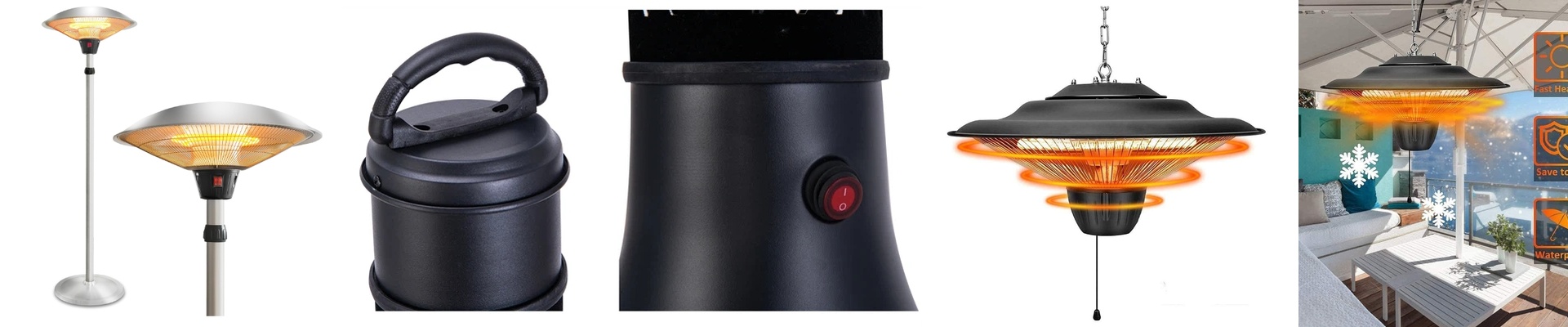




Basement air has a way of turning comfort into a waiting game. The second an infrared electric heater kicks on, the warmth hits—no drafts, no lag, just immediate, even heat that feels like stepping into sunlight. If you run your basement as a workshop, a media room, or a guest suite, that responsiveness isn’t a nice-to-have. It’s the difference between getting things done and waiting around.
What’s actually going on under the hood
Infrared warmth is radiant heat, not air movement. The heater delivers energy straight to floors, walls, and your skin, so you feel the heat fast instead of waiting for the room’s air to catch up. Most basement electric heaters use either a carbon fiber element or a quartz tube to produce that steady, sun-like output. Pair that with a built-in thermostat and you get stable comfort instead of a unit that cycles on and off like crazy. For safety, look for tip-over protection and overheat protection. In basements, an IP rating matters because humidity can climb, and you want a heater that can handle it.
Why it clicks in a basement
Basements stay cool for a reason—they’re ringed by earth and concrete. Conventional heaters can push warm air around, but it still feels patchy. Infrared goes right after the surfaces that hold the chill, so you stop feeling cold radiating up off the floor. The payoff is faster comfort and fewer temperature swings. Plus, you get a practical win: the space heats on demand, so work and relaxation don’t have to stop while the room catches up.
The stuff you really need to know
Infrared is directional, so placement matters.Aim the heater toward the main seating or work area and keep it a safe distance from objects and walls. Most electric models plug into a standard outlet, but higher-wattage units often need a dedicated circuit—check the label and your home’s wiring before you install. In very damp conditions, choose a heater rated for humid spaces and keep the controls dry.