

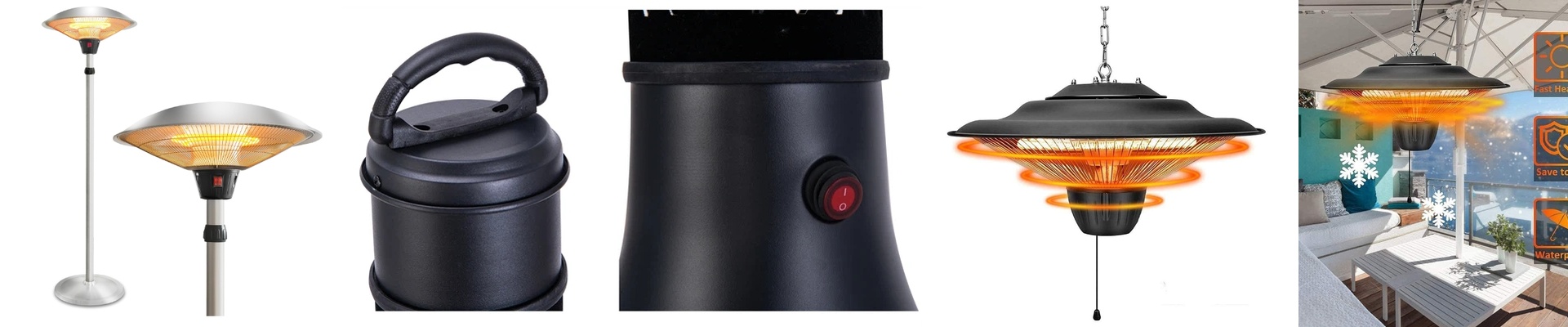
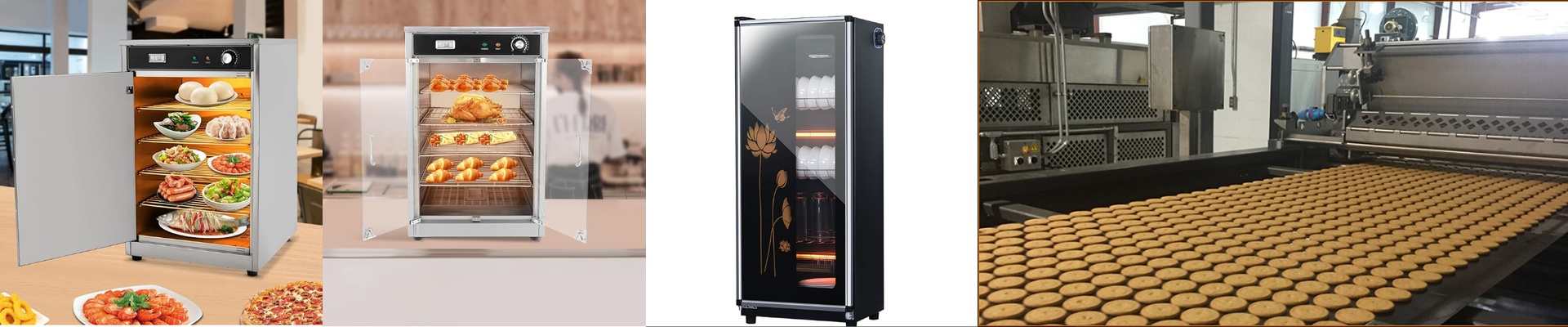

A winter warehouse is a constant tug-of-war: heat rises and vanishes into the rafters, while the people on the floor stay cold. So you push the main system harder, and the utility bill climbs. The fix isn’t dumping more heat everywhere—it’s putting warmth exactly where it’s needed.
What matters under the hood
We built this heater around a PTC ceramic element, and here’s why that matters in the field. It self-regulates quickly and holds output steady. Power comes on, the ceramic core jumps to temperature, then automatically backs off the current as it heats up. That keeps overheating risk down and helps maintain a consistent comfort level. What you get is direct infrared warmth—the kind that feels like standing in a sunbeam—delivered in a focused pattern instead of trying to warm the entire air volume. The unit is compact, runs on standard power, and uses a straightforward thermostat interface. Set the feel you want, and it does the rest.
Why this approach works in a big space
In a large warehouse, you want heat to show up when the person shows up, not ten minutes later. Infrared heats people, tools, and nearby surfaces directly, so comfort hits within seconds of stepping into the beam. Less waiting to warm up. Fewer slowdowns from the cold. And you stop spending energy on empty aisles. Because the warmth is directional, you can aim it where the work is—stations, loading bays, inspection points—and leave the less-used areas alone. For you, that means lower running costs and a workflow that doesn’t keep getting interrupted by the temperature.
The practical details you need
This heater is designed for open or semi-open indoor areas, and it performs best when aimed at the target zone. If you need even comfort across a wide floor, plan on multiple units and space them so the warmth overlaps evenly. Keep the unit unobstructed and use it in dry conditions. The PTC design is solid, but like any electric heater, it shouldn’t be exposed to heavy moisture or direct water contact.