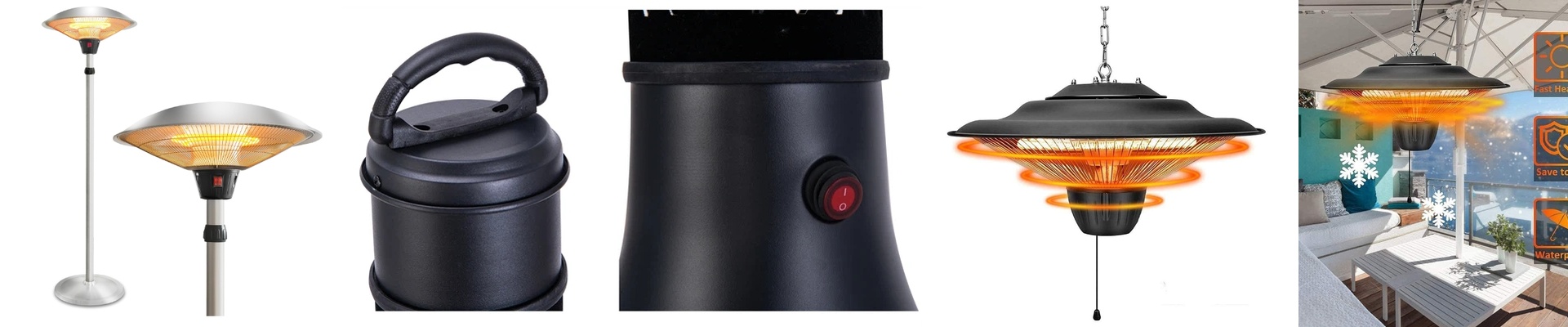

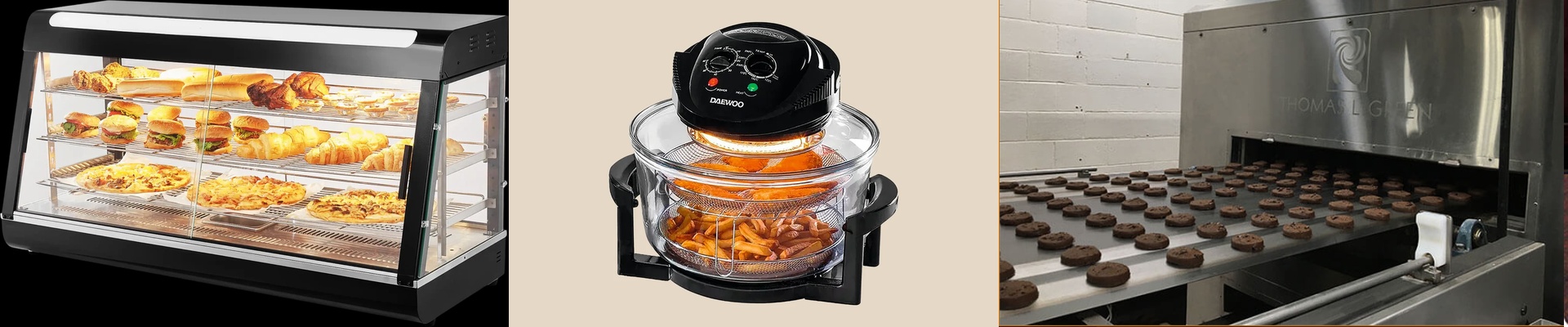


When service hits, you can’t afford to wait on the oven. A slow warm-up drags out prep, squeezes your bake window, and leaves crusts all over the place—some pale, some scorched. The 250W ruby ceramic heater was designed to close that gap and keep heat behavior consistent, whether you’re running a compact deck oven, a rotary oven, or a countertop convection unit. What’s actually important, technically This heater runs at 250W on standard kitchen power and delivers infrared straight to the dough surface. The ruby ceramic emitter heats fast and cools fast, so the oven follows the thermostat without lag. You get immediate radiant output, and the wavelength profile spreads evenly through the baking chamber, cutting down hot spots that cause checkering on bread and pizza. Control stays tight because the element changes temperature with minimal overshoot, so setpoints hold steady across bake cycles. Why this makes sense in the real world Infrared does what air alone can’t. You get quicker heat-up from a cold start, faster recovery after the door gets opened, and more repeatable results from one tray to the next. For pizza and flatbreads, that translates to better leoparding and cleaner crust lift. For pastries and roasts, the even, gentle radiation supports consistent color without drying the exterior too soon. Energy use drops because you’re heating the load, not just the air, and shorter cycle times mean you can turn more trays when service is peaking. Here are the practical details you can’t skip Mounting and clearance matter. Keep the heater at the recommended distance from the hearth or pan surface, and make sure the oven interior can handle the focused radiant field without reflecting heat back onto the emitter. This is a component upgrade—check voltage, terminal type, and mounting hardware against your specific oven model. When installed right, the ruby ceramic construction stands up to repeated thermal shock, but it still needs a clean, dry baking chamber to avoid premature deposit buildup.