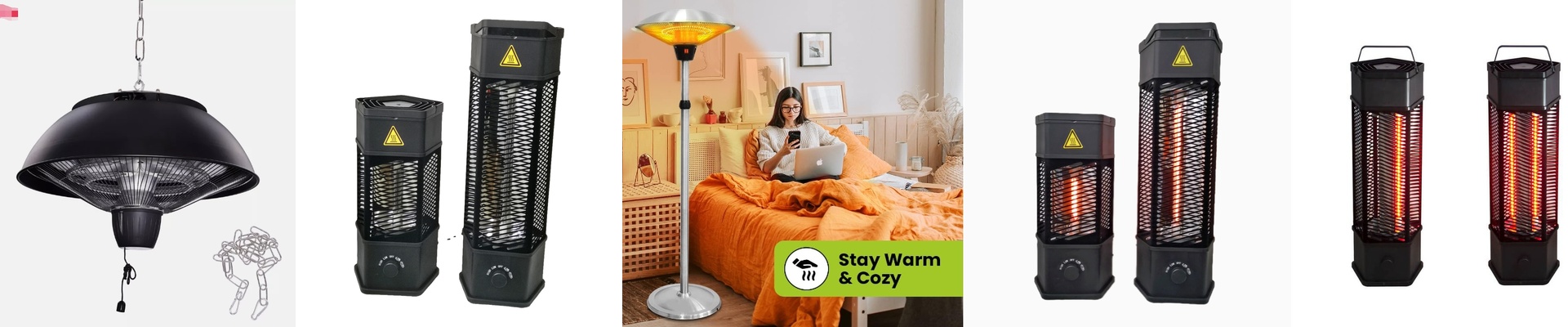
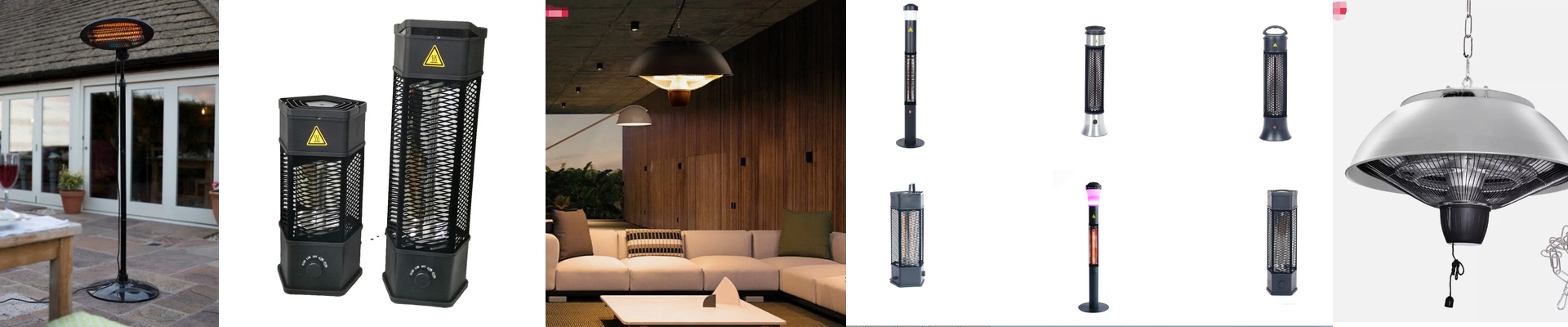
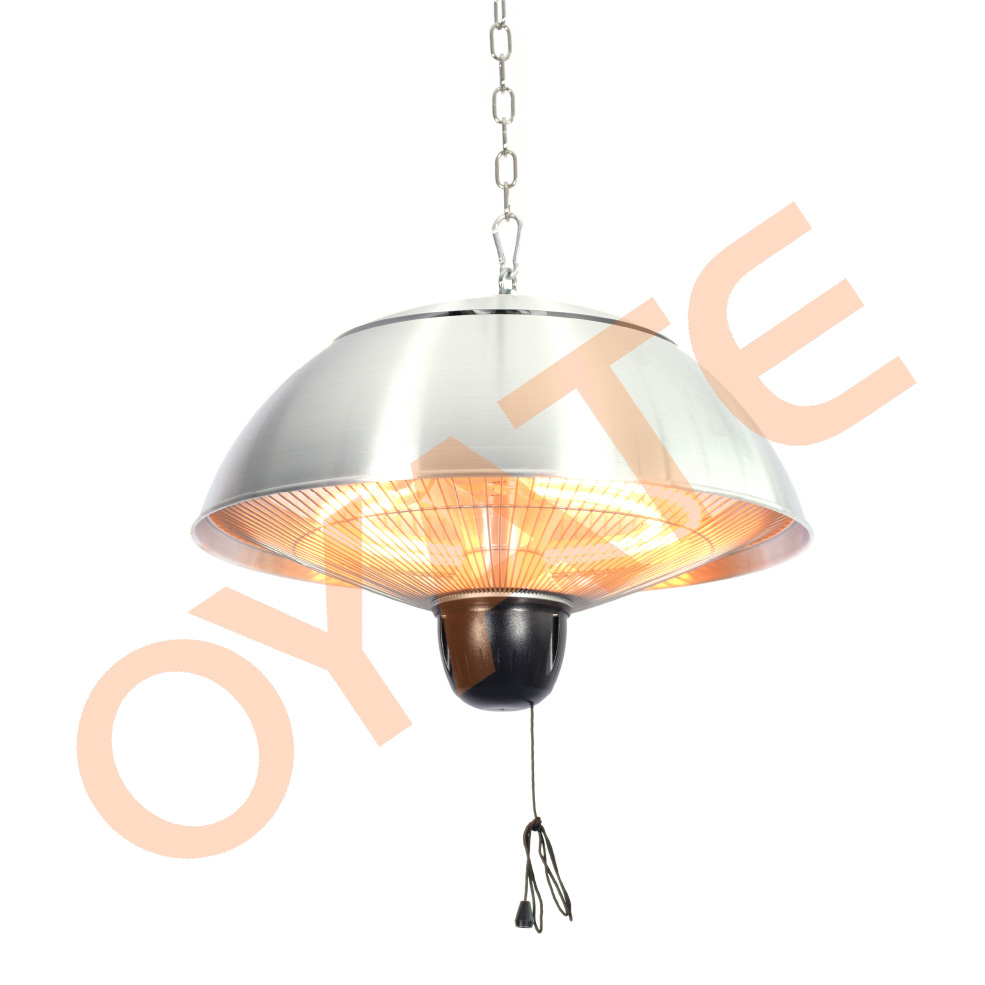
Putting a heater in a pergola sounds great until you remember that the outdoors is, well, outdoors. You’ve got humidity, morning mist, and the occasional rain splash. Most heaters just can’t handle that. They short out, they rust, and they die. We built our units to actually survive all that. Dealing with the wet stuff Water and high-voltage electricity are a terrible mix. To keep things safe, we use heavy-duty seals and housings that keep the moisture far away from the electrical parts. Cheap heaters usually “burn out” because condensation builds up on the quartz tube. We stop that. By isolating the wiring and using gaskets where the chassis meets, we make sure water stays on the outside where it belongs. Fighting the fog When the temperature swings wildly—which happens every single day outdoors—you get fog and condensation. If that moisture sits on the glass, it creates thermal stress. One day, the glass just cracks. To fix this, we use high-grade quartz tubes that can take a beating. We also shaped the housing to shed water quickly. No pooling, no drips, no electrical glitches. Just heat. The honest trade-offs Here is the thing: making a heater waterproof means it can’t be tiny. These units have a larger footprint and they’re heavier. Before you buy, just double-check that your pergola beams can handle the extra weight. And while we’ve made these tough, they aren’t magic. You still need to have a pro wire them into a grounded GFCI circuit. It’s just the smart way to handle electricity in a damp environment. It really comes down to a simple goal: keep the electricity dry and the glass stable. That way, your heater actually lasts through a few winters instead of becoming a piece of scrap metal after one rainy season.