


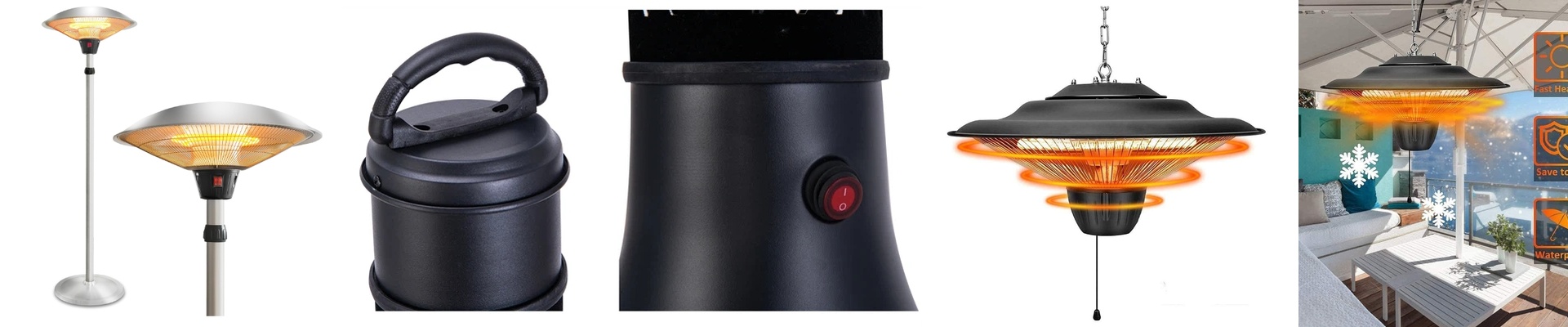
Why we built our outdoor heaters to be “swappable”
Let’s be honest: the outdoors is a nightmare for electronics. Between the driving rain, the dust, and the constant temperature swings, things eventually break. It’s just physics. Usually, when a heating element finally gives out, you’re stuck. You either have to tear the whole thing apart or just throw the entire fixture in the trash. We thought that was a waste of time and money. So, we did things differently.
Stop tearing your heaters apart
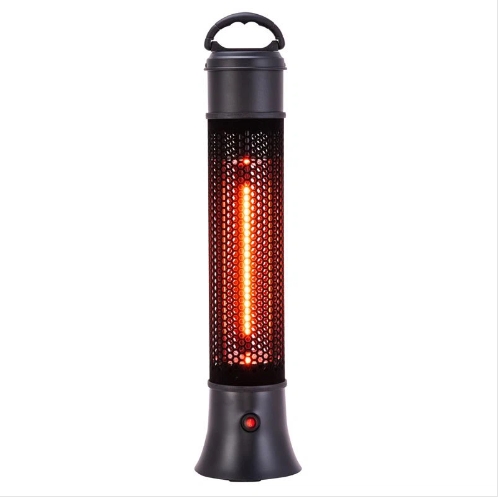
Most heaters are built like a sealed box. If one tube burns out after a few years, you’re looking at a total teardown. We hated that. Instead, we went with a slide-out module. Think of it like a cartridge. You don’t have to mess with the internal wiring or break the main waterproof seal of the housing just to get to the element. You just unlock the module, pull out the dead tube, and slide in a new one. It turns a few hours of frustrating work into a job that takes a couple of minutes.It’s that simple.
The trick to keeping water out
Now, making something “quick-swap” usually means you’re creating a gap where water can get in. That’s a big problem when you’re aiming for an IP65 rating. To fix this, we used heavy-duty compression gaskets and reinforced seals right where the module slides in. Sure, it makes the heater a tiny bit bulkier, but it’s worth it. It means you can swap a tube without worrying about moisture creeping into the electrical terminals and shorting everything out.
Real-world advice for the field
Even with a smart design, nature still wins eventually. If you’re installing these near the ocean, the salt air is going to eat your hardware. Do yourself a favor:**use stainless steel fasteners.**It’ll save you from the nightmare of a seized screw three years from now. Also, when you’re swapping a tube, take a second to look at the contact points. If you see oxidation, clean it off. A loose or dirty connection creates a hot spot, and that’s how you end up melting your housing. Just tighten everything down, slide the module back in, and you’re done. No need to call in a full electrical crew just to change a lamp.