
Introduction
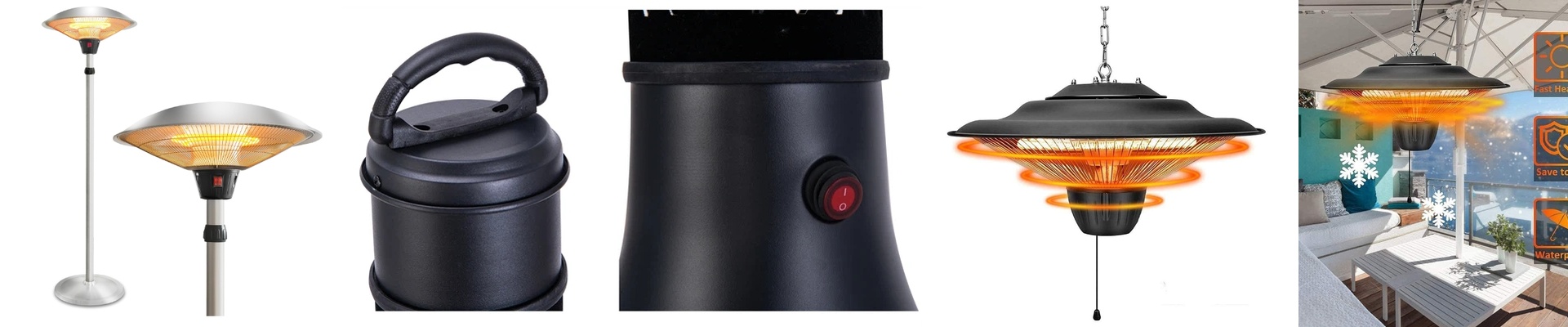
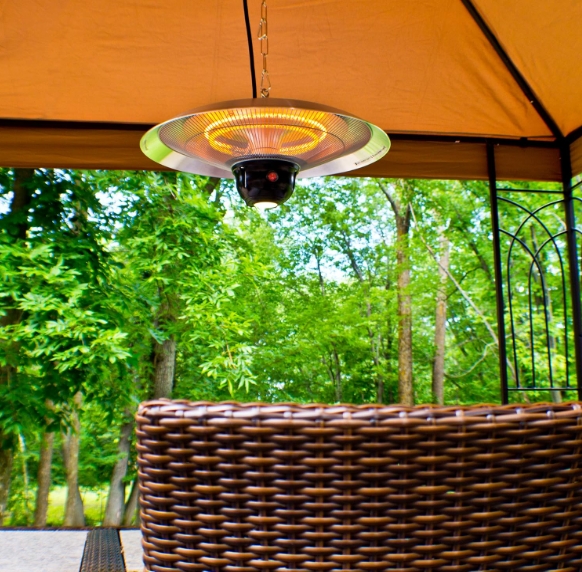
Here’s the mindset behind this little infrared heater: we built it to keep your plans on track, not to scramble when something breaks. Everything is modular, so when it’s time for a service check—about every five years—you just pop out the heating element and swap in a new one. For plant managers, that means no more tearing things down in a panic. It turns a headache into a simple, routine job.
Technical Deep-Dive
The heating tube was designed to pack a lot of heat into a small space. It runs on standard industrial voltages, so you can plug it in without overhauling your plant’s wiring. The length is just right for tight spots—like control panels, small drying chambers, or any spot that needs a focused warm zone. You get that directional infrared heat exactly where you need it. The wattage is matched to the thermal load of the area. That means it heats up fast, but it also means you need to plan for the heat it puts out. Make sure you’ve thought through your airflow and clearances from the start.
Material & Design
We chose a quartz tube because it can handle rapid heating and cooling without cracking under thermal stress. Inside, a halogen element delivers steady infrared heat with predictable performance. The tube’s coating is there to boost radiant efficiency and keep the element safe from dust and other environmental stuff. The connector is a quick-disconnect. No fiddling with screws or messing around with wiring. You just unlatch, swap the tube, and you’re done. This isn’t about making things “convenient.” It’s about saving you labor hours and cutting the chance of wiring mistakes during a replacement.
Application & Benefits
With this modular tube, maintenance actually stays on your calendar. When the schedule says it’s time for a replacement, the job gets done. The footprint doesn’t change, and the heater is back online with almost no downtime. It’s perfect for engineers who want predictable spares and a service process they can repeat. The trade-off is simple: you get concentrated heat, so your enclosure ventilation and component placement need to be set up for it. Plan your cooling right, and the modular tube keeps the heat focused and the maintenance on schedule.